
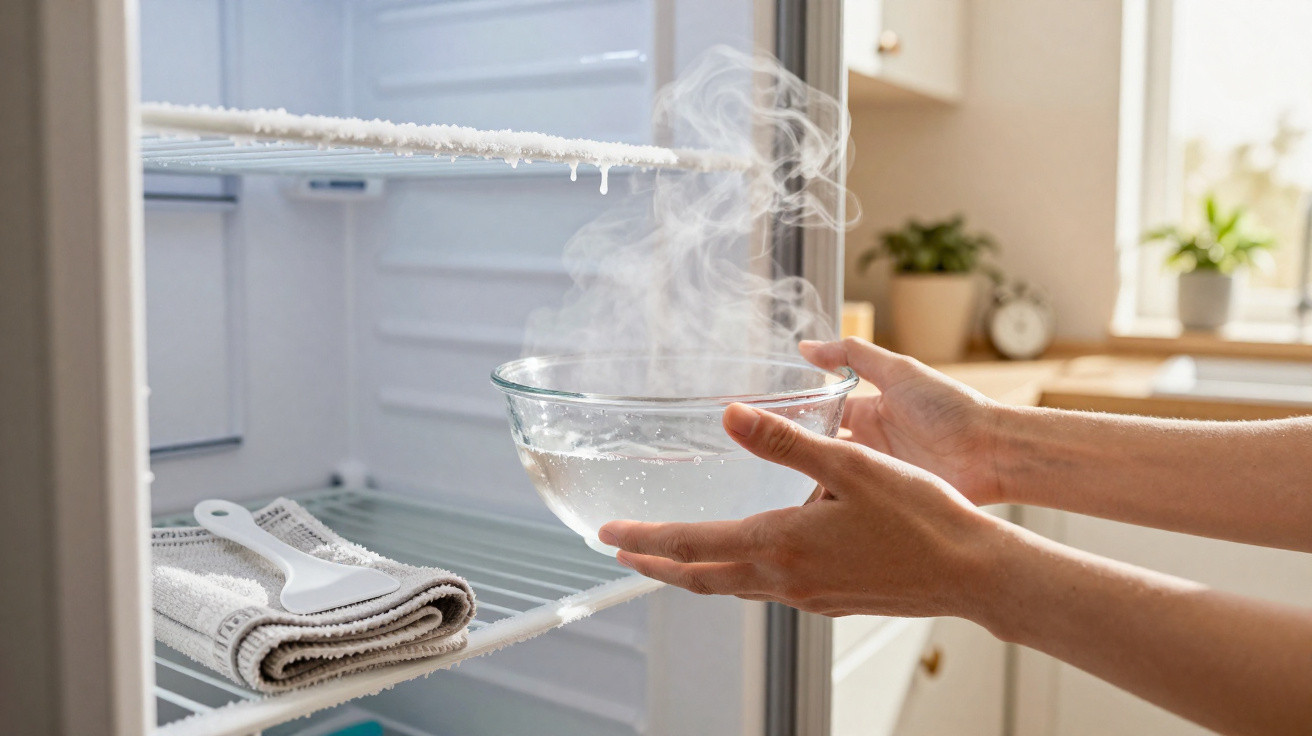
Excessive ice build-up in the freezer interferes with how the appliance runs and can push up your electricity bill. Using a bowl of hot water speeds up household defrosting in a straightforward way, while ensuring complete safety and helping to avoid damage to the internal structure.
How does too much ice affect the appliance?
Ice sheets develop because moisture slips in through the door day after day. Once this layer grows beyond three millimetres thick, the motor has to work much harder, creating greater financial waste and putting extra strain on the equipment.
As well as reducing the space available for storing food, a thick build-up forms an unwanted thermal barrier. The compressor ends up running almost constantly without reaching the ideal temperature, shortening the refrigerator’s useful life and increasing household electricity consumption.
How does vegetable oil prevent ice build-up in the freezer?
A thin coating forms a protective barrier that stops moisture molecules from sticking to plastic surfaces… Read more
Why does hot water make the process faster?
Placing a container of warmed water inside the appliance raises the temperature gradually. The hot steam moves around the compartment, loosening frozen blocks from the walls without the need for physical effort or harsh chemical products.
Many people try to scrape ice off with knives, which brings a serious risk of puncturing the refrigeration circuit. Water vapour works as a gentle, effective method, protecting the pipework and ensuring real practicality.
Below is a video from the Hotpoint Customer Service UK channel on YouTube that explores the points discussed in this topic in more depth:
What precautions ensure safety during cleaning?
The essential first step is to unplug the appliance to prevent any electrical hazard. Next, remove all frozen food and the plastic drawers, clearing space so you can position towels and supportive containers properly.
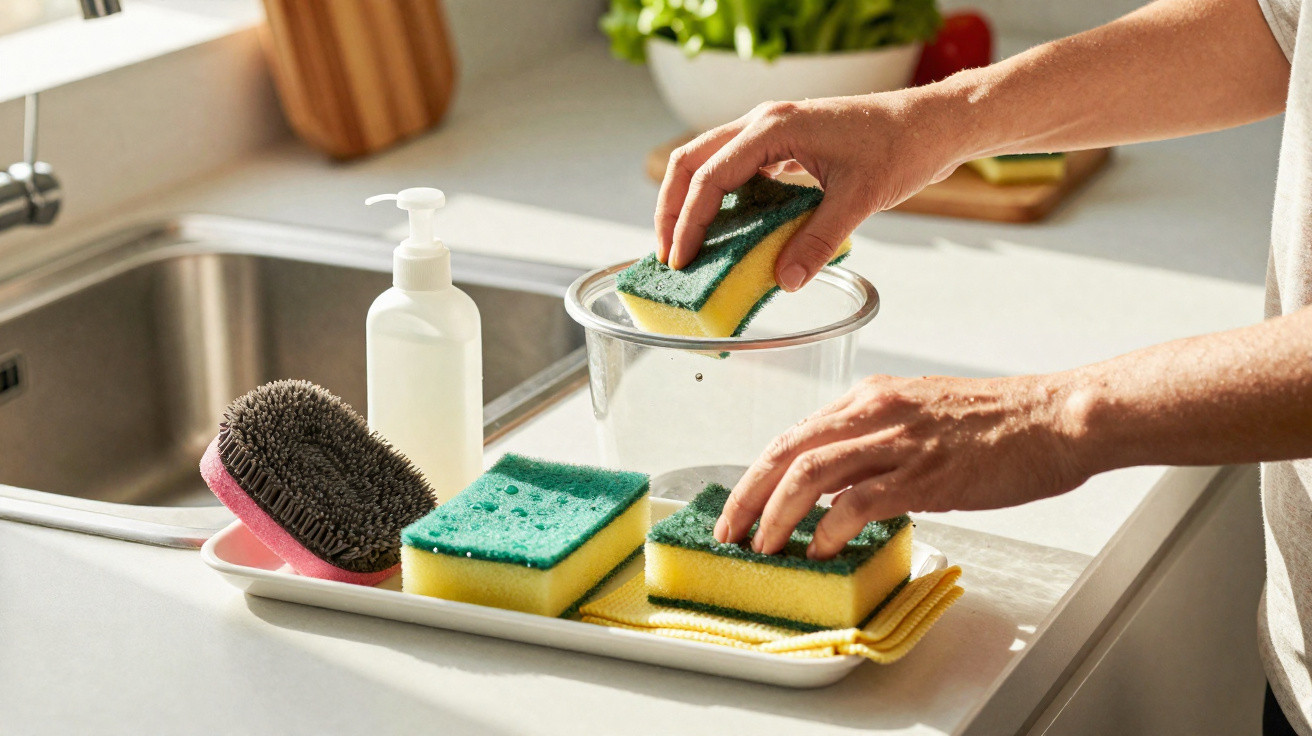
Always use heat-resistant bowls and set the container on a thick cloth to protect the plastic base. Once the ice sheets have fully melted, clean with a soft sponge and finish with a dry cloth, supporting hygiene and the preservation of the compartment.
Essential Defrosting Kit
Must-have items for the procedure
Have the following materials ready to carry out the clean with complete safety:
- Heat-resistant bowl with hot water;
- Absorbent towels and a collecting tray;
- Soft sponge and a dry cloth.
How can you keep the freezer free of ice crusts day to day?
Small tweaks to your daily routine can significantly reduce the steady flow of warm kitchen air into the freezer. Opening the door only for as long as necessary prevents outside moisture from condensing quickly, keeping the internal temperature stable and stopping hard layers from forming.
Another key step is to check the rubber door seal to make sure the insulation remains effective. A simple test with a piece of paper can reveal gaps that let air in, harming performance and creating the need for ongoing preventive maintenance.
A few straightforward habits can help stop ice from returning quickly to your appliance:
- Keep the door open only for the shortest possible time during daily use;
- Check the condition of the sealing rubber using the paper test;
- Make sure the internal drawers are fully seated before closing the appliance.
When is it worth investing in a frost-free model?
For anyone who wants maximum convenience in everyday life, refrigerators with frost-free technology are an excellent option. These models run an automatic defrost cycle continuously, removing the manual task entirely and offering complete comfort when organising food.
Although the upfront price is usually a little higher, the time saved and the improvement in efficiency can justify the investment. You gain more freedom in the kitchen, keep items properly preserved, and secure better durability with excellent day-to-day performance.




Comments
No comments yet. Be the first to comment!
Leave a Comment