
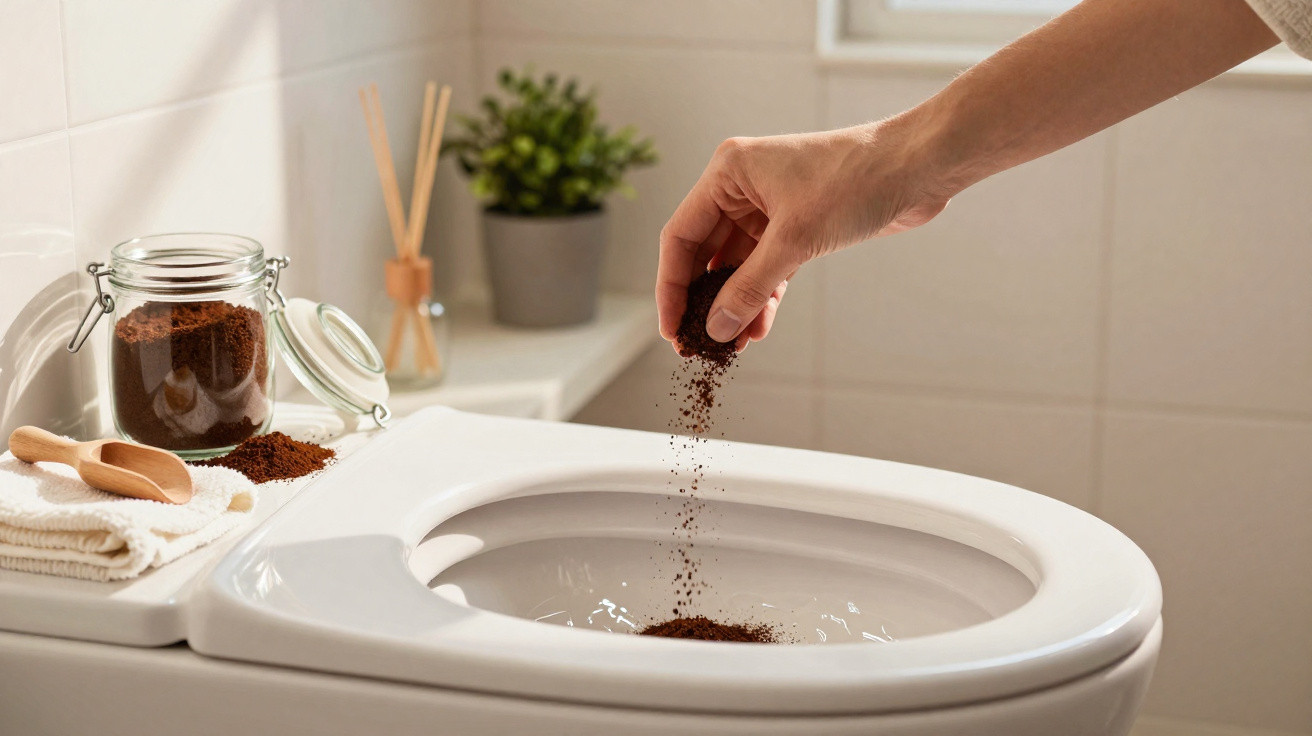
Many people give the bathroom a thorough clean just before guests arrive - yet the loo can still hold on to a lingering smell. What most don’t realise is that a simple cupboard staple can make the toilet smell fresh in minutes, with that “nice hotel bathroom” feel.
Why the bathroom can still smell musty even after cleaning
The toilet is one of the most frequently used spots in any home. Even if you scrub regularly, unpleasant odours often come from places you can’t immediately see:
- old limescale and urine scale under the rim
- build-up in the siphon trap and pipework
- trapped moisture in grout lines and silicone
- tiny residues of cleaning products that react with other substances
Air fresheners tend to mask smells briefly and can quickly start to smell artificial. That’s why many households look for a method that binds odours rather than simply perfuming them - ideally without reaching for harsh chemicals.
“The trick: a kitchen cupboard remedy that traps toilet odours while giving off a pleasant scent at the same time.”
The 15-minute hotel scent: coffee grounds in the toilet
The surprisingly effective answer is plain coffee grounds - not in a mug, but straight into the loo. Coffee’s strong aroma doesn’t only cover smells; it also helps neutralise many of the molecules responsible for unpleasant odours. The idea is familiar from perfumeries, where people sniff coffee beans to “reset” their sense of smell.
How the coffee trick works, step by step
- Flush the toilet so the bowl is evenly wet.
- Sprinkle 2–3 teaspoons of ground coffee (not instant) directly into the toilet bowl.
- Leave the powder to work for at least 10–15 minutes - don’t flush.
- While it sits, the coffee aroma spreads through the whole bathroom.
- After the waiting time, flush once thoroughly.
The result: the bathroom smells noticeably fresher, and the typical toilet odour fades into the background. If you want a stronger scent, leave it a bit longer or use slightly more grounds.
Which coffee works best?
Ground coffee from a pack is ideal - especially if it’s a bit older and no longer great for the coffee machine. The key is simply a bold aroma:
- Dark, strong roasts give a more intense smell.
- Cheap coffee is perfectly fine - this isn’t about flavour.
- Out-of-date coffee can be used up sensibly instead of being binned.
A few spoonfuls are usually enough. Using loads more doesn’t add much benefit and just sends unnecessary solids down the drain.
Natural alternatives: what if you don’t have coffee in the cupboard?
If you’re out of coffee, you can still freshen the toilet with common household products. Two reliable classics from eco-friendly cleaning are bicarbonate of soda (or baking powder) and vinegar.
Washing soda and vinegar: cleaning and odour control in one
A tried-and-tested approach uses a basic ingredient and an acidic one together. The combination helps loosen build-up and reduces smells.
Here’s how:
- Tip about 120 ml (roughly half a cup) of washing soda or bicarbonate of soda into the toilet bowl.
- Slowly pour vinegar over it, or use vinegar essence diluted with water.
- The mixture will fizz and work into gaps and deposits.
- Ideally, leave it for several hours or overnight.
- The next morning, scrub well with the toilet brush and flush strongly.
“The fizzing looks dramatic - but inside the bowl it lifts deposits, binds odours and treats the siphon trap at the same time.”
If you’re dealing with recurring smells, this option can be particularly helpful. It doesn’t just give a short-term improvement; it tackles the real cause - dirty surfaces and limescale rings.
Citric acid: shiny ceramic and a fresh scent
Another popular household remedy is citric acid, usually sold as a powder. It breaks down limescale, deposits and light urine scale, and leaves a clean, slightly fruity smell.
How to use it in the toilet:
- Add 3 tablespoons of citric acid powder directly to the bowl.
- Pour in warm (not boiling) water to boost the effect.
- Leave for around 15–20 minutes; longer for stubborn build-up.
- Scrub the problem areas with the brush, then flush.
This method is especially suited to toilets with limescale lines and yellowish marks. Fewer deposits also means fewer places for smells to cling to.
How useful are these household remedies in everyday life?
For convenience, many people reach for powerful toilet cleaners containing chlorine and heavy fragrance. They often work fast, but they can irritate skin, affect indoor air quality and may be tougher on the environment. Household alternatives have different strengths:
| Method | Strengths | Best for |
|---|---|---|
| Coffee grounds | quick scent, binds odours, ideal before guests | short-term freshness, “hotel scent” in minutes |
| Washing soda + vinegar | loosens grime, reduces odours long-term | deep-cleaning the bowl and siphon trap |
| Citric acid | removes limescale, adds shine | routine maintenance, deposits and mild odours |
If you combine them - for example, using washing soda and vinegar weekly and reaching for coffee grounds shortly before visitors arrive - you can keep the bathroom fresh over time without filling the cleaning cupboard with specialist products.
Common mistakes with toilet freshening tricks
Some well-intended efforts don’t work simply because a few small details are off. Typical pitfalls include:
- Too little contact time: five minutes is rarely enough; 15 minutes is more realistic.
- Too much room fragrance: heavily perfumed sprays can feel overwhelming in a small bathroom.
- Only cleaning what you can see: most odours start under the rim and in the siphon trap.
- Forgetting the toilet brush: a dirty brush can keep reintroducing smells.
The toilet brush matters more than many people think. If you regularly soak it too - using washing soda, vinegar, or a little washing-up liquid in a bucket of hot water - you remove another hidden source of odour in the bathroom.
When it’s better to avoid coffee in the toilet
As handy as the trick is, it isn’t for every situation. In homes with very old pipework or sensitive treatment systems, it can be sensible to avoid sending larger amounts of organic material into wastewater. Some councils discourage putting ground coffee down drains in principle, because it could theoretically build up when combined with fat.
For typical households and occasional use, small quantities of a few teaspoons are generally considered unproblematic. If you want to be extra cautious, keep coffee grounds as an occasional emergency fix before guests arrive, and rely day to day on washing soda, vinegar and citric acid.
How to make the effect even stronger
If you want the bathroom to feel especially welcoming, you can pair these household remedies with a few small habits:
- Put out a clean, dry hand towel.
- Close the lid before flushing - it helps reduce aerosols.
- Open the window briefly to air out leftover moisture.
- Place a small bowl of coffee beans or bicarbonate of soda in a corner to bind odours over time.
This creates the kind of result many people associate with hotels: a toilet that feels clean and dry, without an overpowering scent - just a subtle, pleasant note. The coffee-grounds trick is ideal when time is short and guests are practically already on the stairs.


Comments
No comments yet. Be the first to comment!
Leave a Comment