
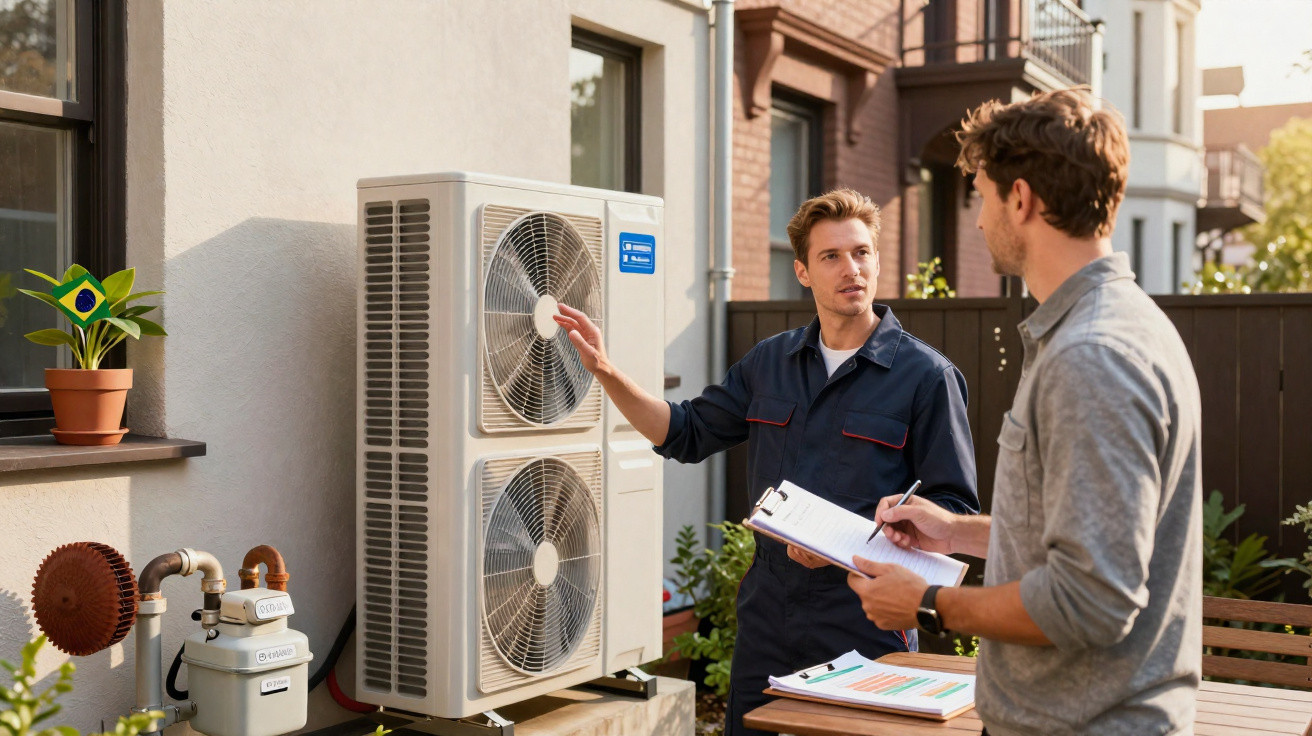
Replacing traditional gas heaters with sustainable technologies is moving quickly across major global markets. Governments are concentrating on residential buildings as a route to cut pollution, which is driving large-scale uptake of modern, highly efficient heat pumps.
How are Germany and the United States leading the transition away from domestic heaters?
New York has introduced tough requirements that mandate all-electric systems for new low-rise buildings from this year. At the same time, Germany is pushing the property sector to move away from traditional fossil fuels, putting electric heating systems firmly in the global political spotlight.
This energy transition is designed to reduce the long-standing reliance on ageing boilers in a gradual, planned way. To make sense of the details within these new international policies, it helps to look at the key points shaping the structural changes and the proposed guidelines.
- US legislation: New York passed strict electrification rules for new urban developments.
- German target: The original plan set a minimum threshold of sixty-five per cent clean energy.
- Recent flexibility: Germany’s latest update eased uniform requirements by allowing additional hybrid systems.
What legal challenges does the new legislation in New York face?
Even after the law was passed, complicated court disputes have delayed the practical rollout timetable in the United States. A federal court stipulation temporarily halted active enforcement of the building rules, illustrating the real barriers that can slow urban decarbonisation.
The debate also reflects ongoing concerns about high housing costs and whether local electricity grids can cope. Even so, the new requirements retain important, targeted exemptions for hospitals, restaurants and industrial sites, helping to protect the continuity of essential services.
How does heat pump technology work to replace gas?
Unlike conventional gas boilers, this newer equipment does not create heat through direct internal combustion. Instead, it moves thermal energy from the outside environment into the home, improving energy consumption and materially cutting ongoing costs.
Operational Efficiency of Heat Pumps
Advantages of Thermal Transfer
According to figures from international sector agencies, these devices can be three to five times more efficient than traditional natural-gas heaters.
As well as delivering dependable space heating and hot water during harsh winter conditions, many modern models also provide efficient cooling for hot summer days.
Because the mechanism performs at such a high level, it changes how day-to-day household energy use is managed. This cleaner technology brings clear long-term benefits, reshaping daily habits and improving budgets through the following performance factors.
- Clean heat extraction from outside air, water or the ground.
- Immediate reduction in unnecessary household electricity use.
- Full climate versatility, enabling both heating and cooling within the home.
Why does the upfront cost still represent a barrier for consumers?
Although the long-term savings can be substantial, these systems often require a high initial outlay for purchase and proper installation. Homeowners frequently also need significant electrical upgrades or improved building insulation, which increases the upfront project cost of a sustainable transition.
Given this challenging financial backdrop, the real feasibility of electrification depends heavily on well-structured government incentives. A range of economic support tools is central to making the switch affordable for the wider population, including the following practical incentive measures.
- Direct government subsidies and partial rebates for equipment purchases.
- Low-interest financing programmes focused on energy efficiency.
- Reduced exposure to risks linked to volatile fossil-fuel prices.
How do Brazil and the global landscape respond to this change?
Worldwide interest in this technology continues to grow and is spreading beyond Europe and North America. Builders in Brazil are showing increasing attention to high-efficiency inverter technology, aiming to strengthen infrastructure and reach new ecological standards.
Naturally, each region needs tailored solutions that reflect local climate differences and building design. Despite political debate and occasional legal setbacks, the once-automatic preference for fossil-fuel residential heaters is losing strength in the modern property market.
References: Kabinett beschließt Gebäudemodernisierungsgesetz | Bundesregierung






Comments
No comments yet. Be the first to comment!
Leave a Comment