

You finish frying the steak, turn off the hob, and crack open the window.
At first the aroma seems harmless-almost tempting. Then two, three hours pass; night falls, and it is still there. It has worked its way into the living-room curtains, clinging to the fabric as though it belongs with the décor. The next morning the sunlight pours in, but the air does not feel fresh. A friend drops by for coffee and you pretend not to notice: you change the subject, switch on a room freshener. Nothing truly fixes it. The frying smell is stubborn and quiet, and it has a particular fondness for curtains-the very ones you chose so carefully. Without meaning to, the whole house starts to smell like the kitchen. Loudly.
Why your curtains “drink in” the smell of frying
A curtain is like that favourite outfit you wear all the time: the more time it spends near the kitchen, the more it soaks up whatever is floating around. Hot grease rising from the frying pan does not simply vanish into the extractor; it spreads as tiny, almost invisible particles. Mixed with steam and heat, those particles drift until they find a porous, still surface-and that usually means fabric. In other words: curtains. Each round of frying leaves a microscopic film behind. The first goes unnoticed, the second slips by, and by the third your home has that “grandma’s house” aroma-just without the cornmeal cake.
Many people only clock it after a weekend of fried pastries or croquettes. In the moment it is all fun: the kitchen becomes the gathering spot, a child asking for “just one more”. Then Monday arrives, life returns to normal, and the trace remains. Internal research from cleaning brands has even indicated that the smell of frying sits among the three most disliked household odours for Brazilians-beaten only by drain smells and cigarette smoke. And curtains routinely top the list of silent culprits. They do not make noise and they do not stain straight away, but they hold on to odour like a fully saturated sponge.
The science behind it is brutally straightforward. Fabrics such as cotton, linen, and synthetic blends contain fibres with tiny gaps that act like landing strips for grease and smell. Warm air rises, hits the curtain, cools, and whatever was suspended in it settles and sticks. If you fry in an open-plan space that flows into the living area, you suffer twice over. A weak extractor fan-or keeping the window shut-only makes matters worse. And, realistically, nobody takes curtains down and washes them every week. So the smell builds up in invisible layers. Then a damp, windless day arrives and everything “wakes up” at once.
How to get rid of frying smell from curtains-properly
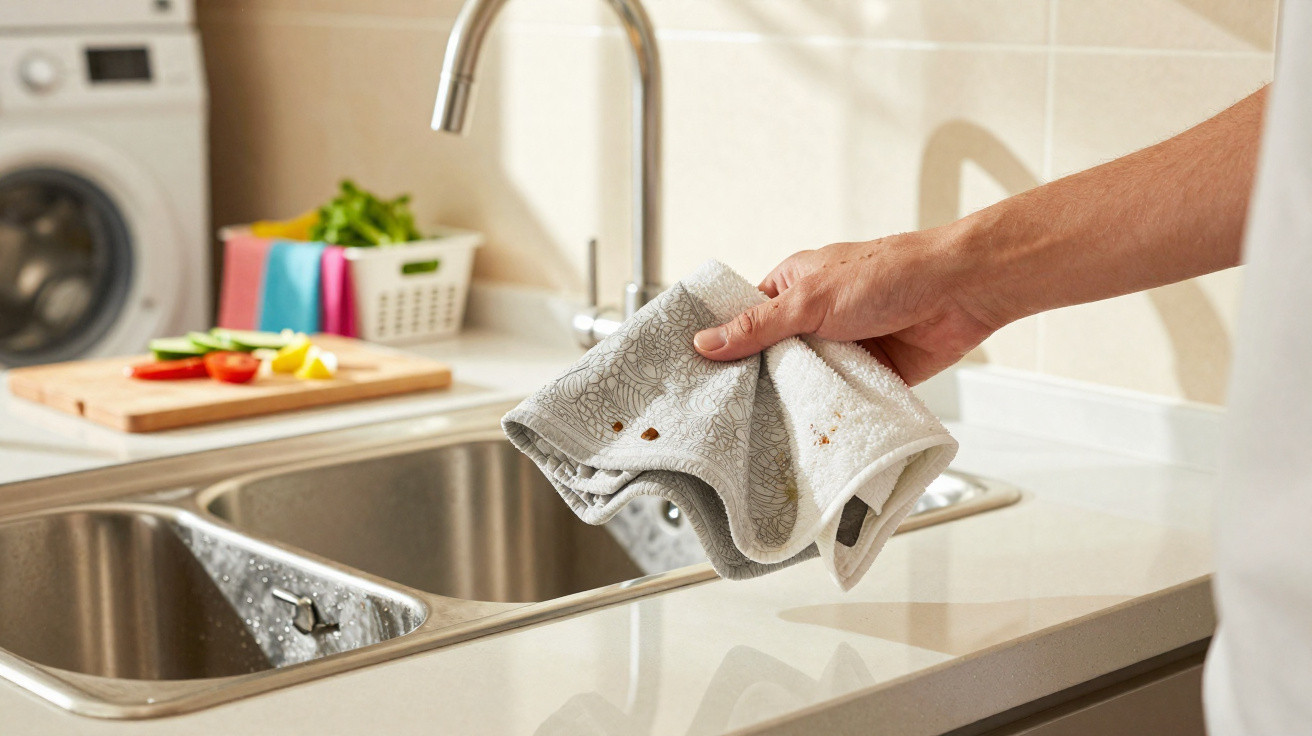
Start by dealing with it head-on: take the curtain down from the rail. It feels like a hassle, but it is what actually changes the outcome. Move the fabric to a well-ventilated area and shake it vigorously, as if you are trying to rouse it. That simple action knocks loose some of the grease particles and dust. Next, mix up a gentle solution: half a bucket of warm water, a little mild soap, and a splash of white vinegar. For machine-washable fabrics, run a delicate cycle, using that mixture as a pre-wash. For more delicate curtains, a well-wrung cloth wiped slowly and carefully can work a quiet miracle.
A common mistake is trying to cover the smell by spraying fragrance directly onto the curtain. What you get is a heavy, greasy perfume that fools you for a few hours-then returns worse. Another familiar trap is putting it off until “later”, right up until the curtain practically tells you it cannot take any more. Everyone has done that at least once. When the goal is to remove frying odour, the trick is to tackle the grease, not the smell itself. Very harsh products can fade the fabric or leave marks. This is a job for patience, repeated small actions, airflow, and cleaning that is consistent rather than perfect.
As one home-organisation specialist put it in a recent interview I read:
“The smell of frying isn’t bad luck-it’s build-up. Once you understand that, you stop thinking your home has some mysterious problem.”
To keep things manageable without becoming a prisoner to your curtains, it helps to follow a simple mini plan:
- Wash the full curtains every 2 or 3 months, depending on how often you fry.
- Keep windows open whenever possible during frying and afterwards.
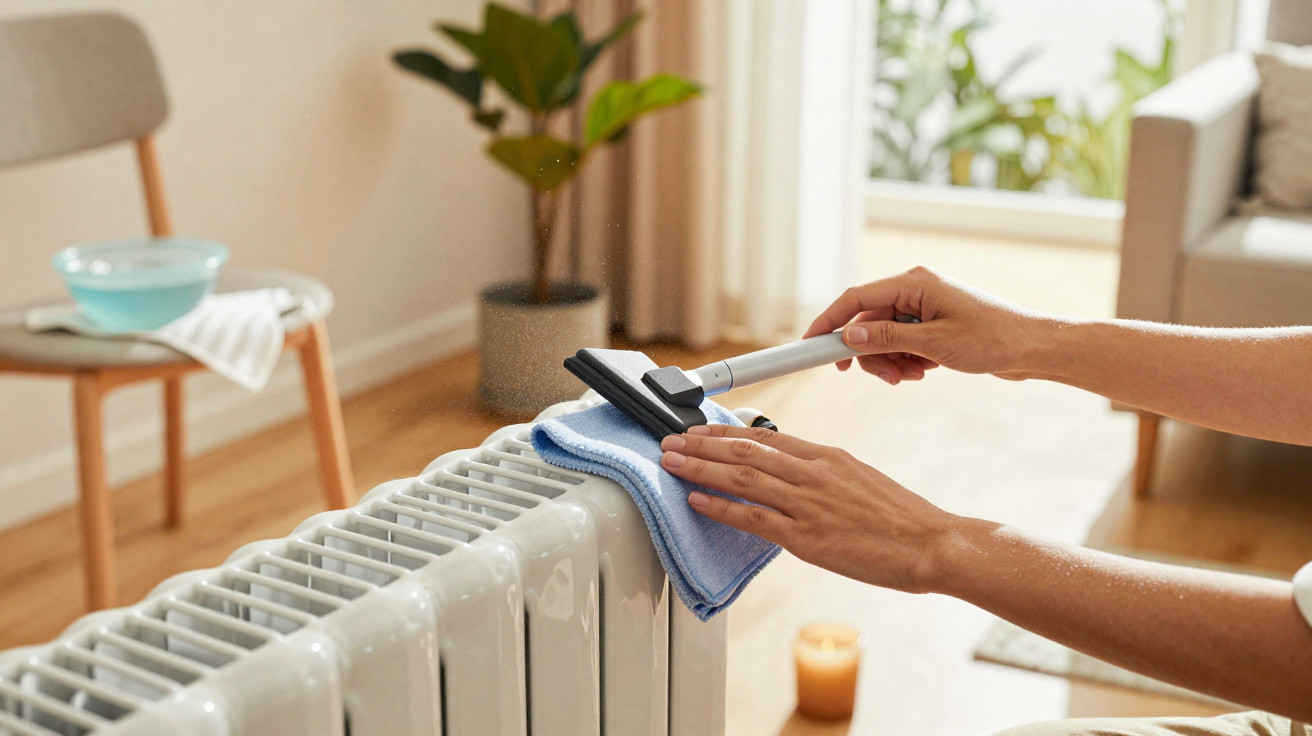
- Every 15 days, wipe the hems and the areas closest to the kitchen with a damp cloth using diluted vinegar.
- After a particularly heavy frying day, place a bowl of bicarbonate of soda near the curtains.
- Check the care label before experimenting with stronger mixtures.
Prevent, soften, share: the smell that tells stories
When you start treating the scent of a home like a character, things shift a little. It stops being only an annoyance and becomes a signal: of a hectic routine, of a lively Sunday, of a hard-working kitchen. The challenge is stopping that signature from becoming the permanent “soundtrack”, in scent form, for your curtains. In many cities, opening a window can feel like a luxury, but moving air is still the cheapest and most effective ally. Sometimes half an hour of a proper cross-breeze achieves what an entire bottle of air freshener never will.
It is also striking how differently families respond. Some accept the smell as part of the home, almost with pride. Others become anxious, lighting scented candles every night. Somewhere in the middle is a calmer approach: look after the fabric, keep an eye on frying, and build small post-cooking rituals. A damp cloth wiped slowly, the curtain hung outside on a line now and then, the extractor actually on while the oil heats up. No magic formulas and no guilt-just a more honest relationship with what the air says about your life.
Perhaps the most interesting point is this: frying smell stuck to curtains is not only a cleaning issue. It is a tangible reminder of the times the house filled up, of conversations standing around in the kitchen, of the everyday rush. When you decide to tackle that smell, you are also stirring those layers of memory. That is why it makes sense to swap tips with friends, ask what they do, and compare recipes-not only for croquettes, but for ventilation. Because a home breathes with you. And, in the end, everyone wants the same thing: to step into the living room, glance at the curtains, and feel that the air matches the story being lived there.
| Key point | Detail | Value for the reader |
|---|---|---|
| Grease removal | Wash or wipe the curtains with a gentle solution of warm water, mild soap and vinegar | Removes the source of the odour rather than merely masking it |
| Light care routine | Shake out, ventilate, and do quick cleans every 15 days | Keeps the smell under control without demanding huge effort |
| Prevention in the kitchen | Use the extractor fan, open windows, and avoid prolonged frying sessions | Stops the curtains from absorbing the smell again so quickly |
FAQ:
- Question 1 Can I use only vinegar to remove frying smell from curtains? Vinegar is very helpful for neutralising odours, but it works best when combined with water and a little mild soap. On its own, it can leave a strong vinegar scent and may not lift the grease trapped in the fibres as effectively.
- Question 2 What if my curtains are made from very delicate fabric? In that case, check the care label and, if possible, use a specialist laundry service. At home, choose a cloth lightly dampened with a gentle solution and always test on a hidden area first.
- Question 3 Does bicarbonate of soda really help with this kind of smell? Yes. Bicarbonate of soda absorbs odours in the air. It does not clean grease from the curtain, but it works well as a supplement: place a container of bicarbonate near the curtains after frying to reduce the smell in the room.
- Question 4 Does a scented spray solve the problem quickly? Scented spray only masks the odour and can combine perfume with grease, creating an even more unpleasant smell a few hours later. Use it only after you have cleaned or washed the fabric.
- Question 5 How often should I wash living-room curtains if I fry a lot? If you fry regularly, washing the curtains every 2 months makes a noticeable difference. If you rarely fry, you can stretch it to 3 or 4 months, as long as you keep up ventilation and small maintenance steps between washes.




Comments
No comments yet. Be the first to comment!
Leave a Comment