
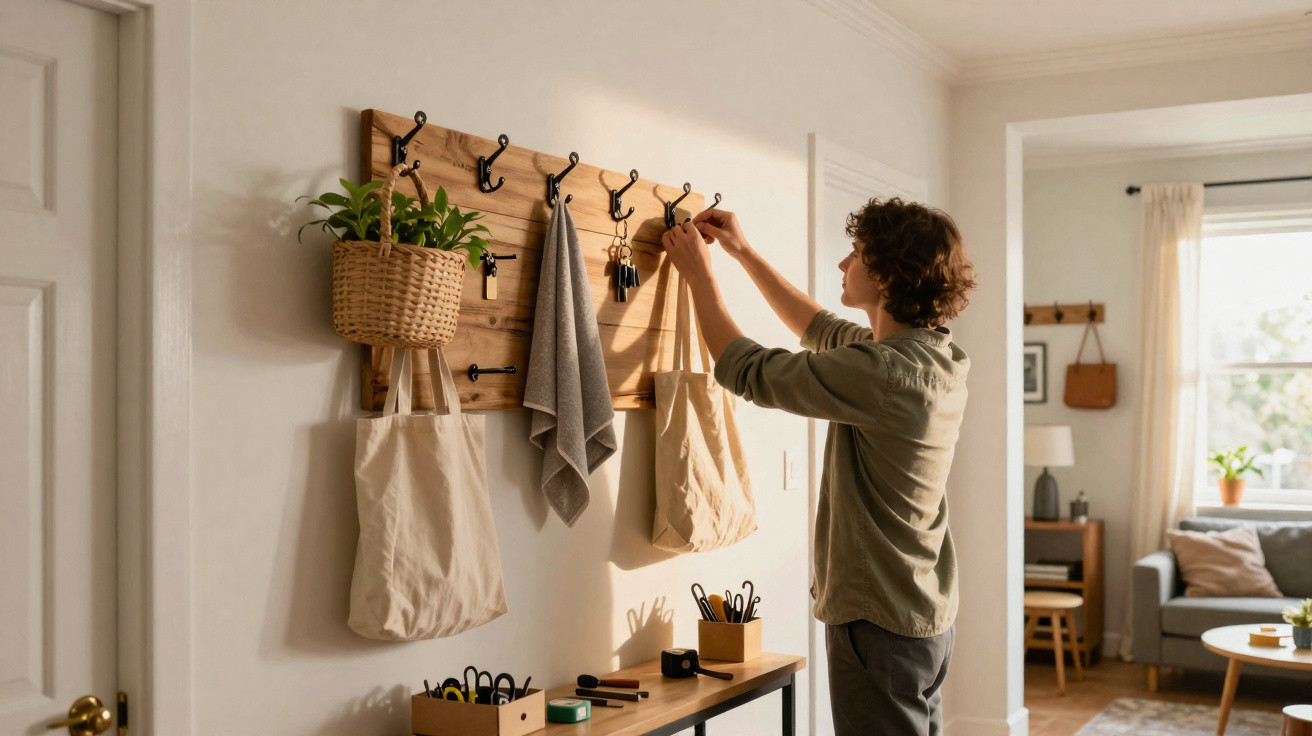
Coat hanger hooks are usually tossed in the bin without a second thought, yet their shape, strength and size make them perfect for quick storage fixes. In a time of creative reuse, they can take on new roles in wardrobes, utility rooms and laundry areas, improving home organisation on a budget while adding a hands-on DIY touch.
Why do these old pieces work so well in everyday life?
Whether metal or plastic, a coat hanger hook is already designed to hold a light load, slip onto rails and make use of vertical corners. That makes it easy to create holders for handbags, scarves, cleaning rolls and even headphones-without drilling holes or changing the furniture.
In day-to-day terms, home organisation improves because this reused piece takes up very little room while tackling “mess hotspots” that often go unnoticed. Even when hangers snap, the remaining parts can still be useful-and the hook is usually the most adaptable element.
Which DIY ideas are worth trying first?
A few straightforward tweaks can noticeably improve how you move around a wardrobe or bedroom. With pliers, strong tape, or simply by hooking it straight on, coat hanger hooks can move from the discard pile into your routine.
- Turn the hook into an accessories holder by fixing it to the side of a wardrobe to hang belts, necklaces or reusable tote bags.
- Use two hooks on a sturdy base to make a laundry organiser for lids, cloths or folded bags.
- Hook one onto the top shelf to create a handy spot for caps, over-ear headphones or frequently used keys.
Where do coat hanger hooks make the biggest difference day to day?
They tend to work best in high-traffic spots and in furniture packed with small items. In these places, a single hook can split items into categories, free up shelf space and make grabbing things quicker during a busy routine.
- In the wardrobe, they help you separate small handbags, belts and scarves.
- In the kitchen, they can hold oven gloves, lightweight sieves or grab-and-go utensils.
- In the laundry area, they keep pegs, brushes and cleaning cloths in order.
- In the entrance hall, they become a place for a keyring, a compact umbrella and a reusable shopping bag.
Doing this with restraint prevents too many items being left on show and makes the space easier to scan at a glance. The benefit is not only visual: it’s about immediate access to things that usually disappear into the back of drawers and baskets.
What should you check before giving the piece a new use?
Not every material copes well with damp, heat or constant load. Rusty, cracked coat hanger hooks-or those with sharp ends-need attention before reuse, especially in homes with children or in narrow walkways.
For DIY projects, it’s worth checking stability, finish and where you plan to place the hook. If it’s metal, a fine sandpaper can smooth off burrs. If it’s plastic, it’s best kept for lighter duties. This quick check avoids poor improvisation and helps home organisation last longer than a temporary fix.
How can small reuses make a home more practical?
When placed thoughtfully, coat hanger hooks create “resting points” in areas that previously became cluttered. This kind of adjustment fits real household habits, organising accessories, cleaning items and frequently used objects without taking up extra surfaces.
That’s the real strength of creative reuse: giving a forgotten piece a job again while improving flow, storage and upkeep across your rooms. In the end, DIY stops being just decorative and becomes a practical tool for home organisation-less waste, and more sense in everyday living.


Comments
No comments yet. Be the first to comment!
Leave a Comment