
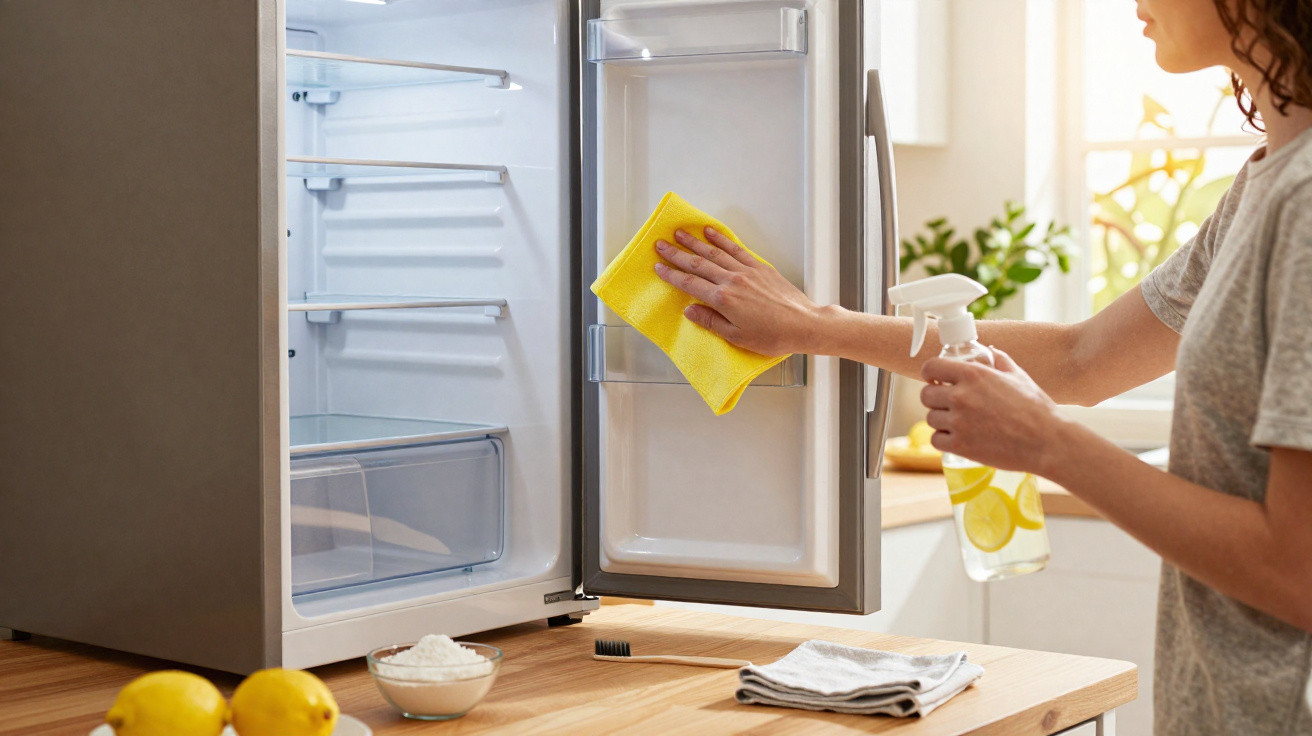
Regularly sanitising your appliance is essential if you want it to keep working properly over the years. Clearing away built-up stains and grime helps prevent unpleasant odours and ensures food is stored in a fully efficient and safe way for your whole family.
How do you clean the inside properly?
To clean the inside of the appliance, the right first step is to switch it off at the socket. Then use a simple solution: a soft cloth dampened with water and bicarbonate of soda. This lifts residue without harming the internal components of your fridge.
If any food is accidentally spilled on the interior shelves, remove it straight away. Leftover food can stain the plastic or leave a lingering bad smell, undermining the everyday hygiene you’re trying to maintain with very simple care.
How does the well-known Norwegian technique work to whiten shelves?
This easy at-home method claims shop-worthy results, leaving the appliance looking impressively refreshed thanks to a secret… Read more.
Which products should you avoid when cleaning?
It is crucial to keep flammable, abrasive, or alkaline products out of your kitchen maintenance routine. Substances such as alcohol, paraffin/kerosene, petrol, standard washing-up detergent, and vinegar should not be used, as they can damage the finish or leave stubborn stains on the surface of your appliance.
In addition, steam-cleaning devices should be avoided entirely during the process. This kind of tool can trigger dangerous short circuits in the electrical system, damaging the unit and putting the resident at risk during cleaning.
Below is a video from the electroluxbr YouTube channel that goes into more detail on the points covered in this topic:
How do you sanitise the outside of the appliance?
For the outside of the fridge, stick to a very gentle approach. Use only a soft cloth properly dampened with warm water and a mild, neutral soap to remove greasy marks and fingerprints without scratching the external structure of your device.
Do not use sharp metal tools or stiff-bristled brushes to scrub the exterior panels under any circumstances. Hard objects and rough sponges can leave deep, irreversible scratches in the finish, ruining the modern look of your kitchen with damage that could have been avoided.
Essential care
Recommended items for upkeep
Here is what you should use to keep maintenance at the ideal level:
- 1 Soft damp cloth for delicate surfaces;
- 2 Bicarbonate of soda for deeper internal cleaning;
- 3 Mild soap with warm water for the exterior.
How do you clean the door seals?
The door sealing rubbers play a key role in the energy efficiency of an Electrolux fridge. To clean them correctly, there is no need to remove these protective parts, which helps avoid stretching or an early defect in the part.
Clean by gently wiping a damp cloth along the full length of the folds in the seal. Do this carefully and patiently so you do not tear the flexible material, ensuring the seal continues to work perfectly against the entry of hot air.
Consider the following daily habits to protect the seal:
- Avoid pulling the rubber too hard when handling the door;
- Keep the channels free from crumbs or small debris;
- Clean straight away if any greasy liquid runs down.
Why clean the back of the fridge?
Routine maintenance at the rear of the appliance should be done every six months without fail. Use a decent vacuum cleaner or a simple duster to remove all dust that has collected on the rear grille, preventing technical issues caused by a lack of adequate ventilation.
Dust build-up in this area stops the system from working properly and leads to higher, unnecessary electricity use. Never use the condenser to dry clothes or tea towels, as this practice seriously reduces the appliance’s performance.



Comments
No comments yet. Be the first to comment!
Leave a Comment