
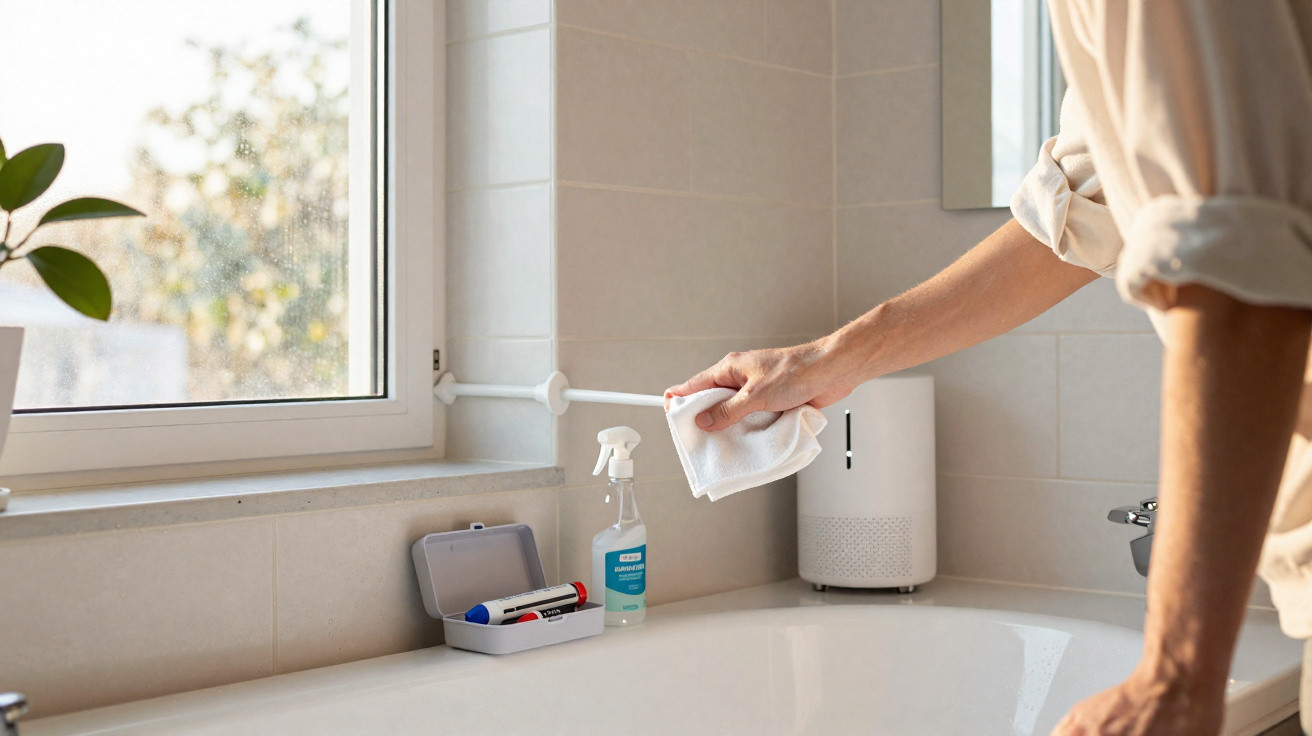
Anyone who finishes showering, simply turns off the water and walks out leaves behind perfect conditions for mould. Specialists agree that the small, easily overlooked silicone sealant joints around the shower and bath are ignored far too often - with consequences for hygiene, appearance and health.
Why bathroom joints become a risk
Silicone sealant joints are often described as watertight, flexible and easy to look after. In reality, they spend much of their time warm and wet - ideal conditions for fungi and bacteria. Water collects in tiny dips, can sit there for minutes to hours, and gradually soaks into the top layer of the silicone.
Over time, this typically leads to:
- dark dots and marks along the edge of the joint
- a grey-yellow haze instead of bright white
- a musty smell throughout the bathroom, especially after showering
- increasing mould spores in the air
People with asthma, allergies, sensitive airways, or households with children often react more strongly to this kind of exposure. Each shower can release tiny particles that spread around the room with the steam.
"Wer Silikonfugen dauerhaft feucht lässt, züchtet sich Schritt für Schritt eine unsichtbare Keim- und Schimmelfalle im Badezimmer."
The one step nearly everyone forgets
Home maintenance and mould-prevention experts repeatedly point to the same thing: the crucial moment is immediately after showering or bathing. In that short window, it’s decided whether moisture disappears quickly or remains sitting in joints and gaps.
Rather than leaving the bathroom straight away, they suggest a simple routine that takes hardly any time:
- Use a shower squeegee blade (rubber edge) to pull water down from tiles and glass screens.
- Pay extra attention to areas with silicone sealant joints, squeegeeing thoroughly so water cannot pool there.
- Then wipe over the joints with a dry cloth, especially where the shower floor meets the wall.
The whole process usually takes under a minute. There’s no need for expensive cleaning products or specialist tools - a basic bathroom squeegee and an old cotton cloth are enough.
Dry joints, less mould, fewer costs
If you stick to this mini-routine every day after showering, you’ll normally notice clear benefits after a few weeks:
- Silicone stays white for longer instead of turning yellowish or grey.
- Black mould lines appear far less often.
- The typical “old bathroom” smell fades - or never develops in the first place.
- Strong mould removers with chlorine and harsh fumes can often be avoided entirely.
Many households only act once mould is already visible in the joints. At that point it often becomes expensive: either a tradesperson has to cut out and replace the silicone, or harsh chemicals are used - which may clean, but can pollute the air and often only help for a short time.
"Regelmäßiges Trocknen der Fugen kostet fast nichts – die spätere Erneuerung der Fugen dagegen schnell mehrere Hundert Euro."
How to keep bathroom moisture under control long term
The daily squeegee-and-cloth routine is the most important building block. Protection improves even further if you also think about overall moisture management in the bathroom.
Ventilating properly after a shower or bath
After every shower, humid air should be pushed outside quickly. A simple approach works well:
- Open the window fully (not left on the latch) for 5–10 minutes.
- Keep the bathroom door shut so moisture doesn’t drift into other rooms.
- If there’s no bathroom window: switch on the extractor fan and let it run on for longer.
If you rely only on “a bit of airflow through a tilted window”, the moisture usually lingers far too long. By the time the air starts to feel drier, the joints may already be saturated.
Common mistakes that encourage mould
Everyday habits can make life especially easy for fungi. Typical examples include:
- Wet towels left hanging directly on the shower screen.
- Shower curtains sticking to silicone sealant joints and drying poorly.
- Shower mats and bath mats placed permanently in damp corners.
- Residues from cleaning products left sitting around joints, mixing with limescale to form a sticky film.
These “moisture islands” mean certain areas of jointing hardly ever dry out completely. Mould then tends to start there first - often behind shower screens or under shampoo bottles, in places you rarely check.
Signs that joints are already damaged
Not every dark speck automatically means severe mould. However, some signs make it fairly clear that the joints have deteriorated:
- Dark discolouration cannot be removed even with a brush and cleaner.
- The silicone surface looks cracked or porous.
- When you press the joint, it lifts from the surface or feels soft and spongy.
- There is a persistent musty smell even though the bathroom looks clean.
In situations like these, drying alone is often no longer enough. Usually the only real fix is to remove the old silicone and reseal. To avoid repeating the work, consistent day-to-day drying becomes even more worthwhile.
Health impact: more than a cosmetic issue
Mould in the bathroom is not just unattractive; it directly affects the air you breathe. In the warm, humid shower area, mould can release spores particularly actively. People then inhale them without noticing while washing or brushing their teeth.
Possible effects include:
- irritating odours and a scratchy throat
- headaches or tiredness after spending longer in the bathroom
- worse symptoms for asthma or allergies
- frequent respiratory infections in sensitive individuals
If you have children or older people at home, it’s worth treating the state of the joints as more than a “cosmetic” concern. A clean, dry bathroom noticeably reduces the burden on the immune system.
Practical extras for a consistently clean bathroom
Alongside daily squeegeeing and wiping, a few small additions can help you keep moisture under control with minimal effort:
- Hook rails for towels, so nothing clings to the shower screen for hours.
- A shower squeegee with a hook that hangs on the glass - making it easier to remember right after showering.
- A humidity meter (hygrometer) in the hallway or bathroom to build an instinct for indoor humidity.
- Regular visual checks of the joints, especially in corners and behind bottles.
If you build these points into everyday life, you’ll need harsh cleaning products or costly remedial work far less often. The routine becomes like brushing your teeth: brief, unglamorous, but invaluable over time.
"Der wichtigste Schutz für ein hygienisches Bad ist kein Spezialreiniger, sondern ein fester Griff zum Abzieher und Tuch nach jeder Dusche."
Ultimately, the condition of silicone sealant joints depends less on high-tech products or glossy “tips” and more on one simple habit: get the water down, dry the joints, and get the humid air out. If you make that second nature, you save time, money and stress - and, quite literally, you can breathe easier when the bathroom door opens.


Comments
No comments yet. Be the first to comment!
Leave a Comment