
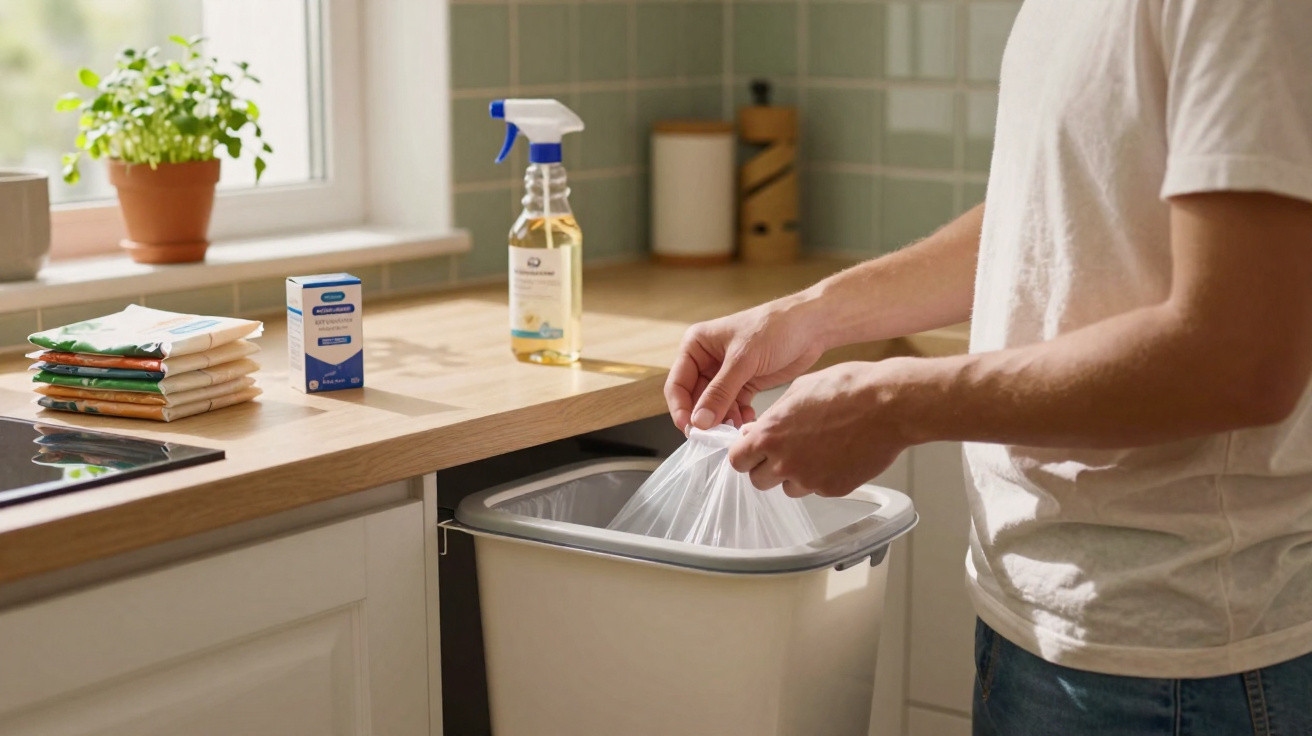
Keeping a compact kitchen organised calls for extra care when disposing of the waste produced every day during meals. When rubbish builds up, it creates unpleasant issues that directly affect well-being and household hygiene, leaving the space far more likely to develop a bad smell.
How can you avoid bad smell in a compact kitchen?
In small flats, everyday life often involves unwanted odours spreading quickly from the sink area. The most effective option is to use a suitable bin with an efficient seal, which helps contain problems linked to disposing of organic waste indoors.
When discarded materials are properly contained, unpleasant gases are less able to take over open-plan social areas. This practical choice makes cooking more comfortable and helps ensure cleanliness is maintained for much longer time.
Building better habits also means using the right accessories at home to maximise day-to-day results:
- Separate dry waste from damp organic waste;
- Tie the bag securely before taking it out;
- Wash the container once a week.
Why is a closed bin the best option?
Moving away from open containers greatly reduces the spread of unwanted insects drawn to leftover food. Choosing a model with a sturdy lid creates a physical barrier against odours escaping, keeping the cooking area far more healthy.
This small change at home also helps control unwanted fluids that can leak from bags. Protecting the surrounding surface prevents permanent stains and lingering smells, making the routine easier for anyone who wants practicality without paying high costs.
Below is a video from the YouTube channel “A DICA DO DIA COM FLÁVIA FERRARI” that explores the points discussed in this topic in more detail:
What simple tricks help control rubbish odour?
Home methods can be an excellent low-cost way to neutralise volatile acids created during natural decomposition. Placing absorbent materials in the bin before inserting the plastic bag helps prevent a nasty build-up of leachate at the bottom, keeping the area consistently protected.
Regularly cleaning the container strengthens the impact of these preventive steps by removing bacterial colonies that are harmful to human health. This quick maintenance reduces the need for frequent, intensive scrubbing and makes better use of precious time spent on household tasks, with real practical efficiency.
Kitchen Hygiene Kit
Essentials for the bin
Use these practical items in your daily routine:
- Bicarbonate of soda to neutralise the bottom of the bin;
- A reinforced bin bag to prevent liquid leaks;
- A bin with an effective lid to seal in the bad smell.
How can you take out organic waste without hassle?
Handling food scraps properly helps avoid unpleasant mishaps, such as unexpected tears in the plastic used for disposal. Picking a good bag made from durable material prevents problems when carrying waste to the external communal bins of the building.
Removing accumulated organic material every day stops natural fermentation from producing heavy gases indoors. This steady routine keeps the air light and pleasant, turning the kitchen into a welcoming place to receive visitors and prepare tasty meals.
Follow these basic guidelines to manage waste in the most optimised way:
- Replace bags regularly before they are completely full;
- Keep the container away from direct sunlight;
- Wash your hands after completing the process.
What impact does household hygiene have on well-being?
Keeping a home smelling fresh contributes directly to everyday psychological comfort and the satisfaction of everyone who lives there. Controlling sources of contamination shows respect for your own home, setting high standards of hygiene that help prevent the unwanted presence of harmful pests.
Simple, inexpensive practices can significantly improve how modern homes feel on the inside, bringing lasting lightness to daily life. Putting small choices into practice each day creates a consistently welcoming environment, where the scent of cleanliness outweighs any waste produced as part of the routine.


Comments
No comments yet. Be the first to comment!
Leave a Comment