
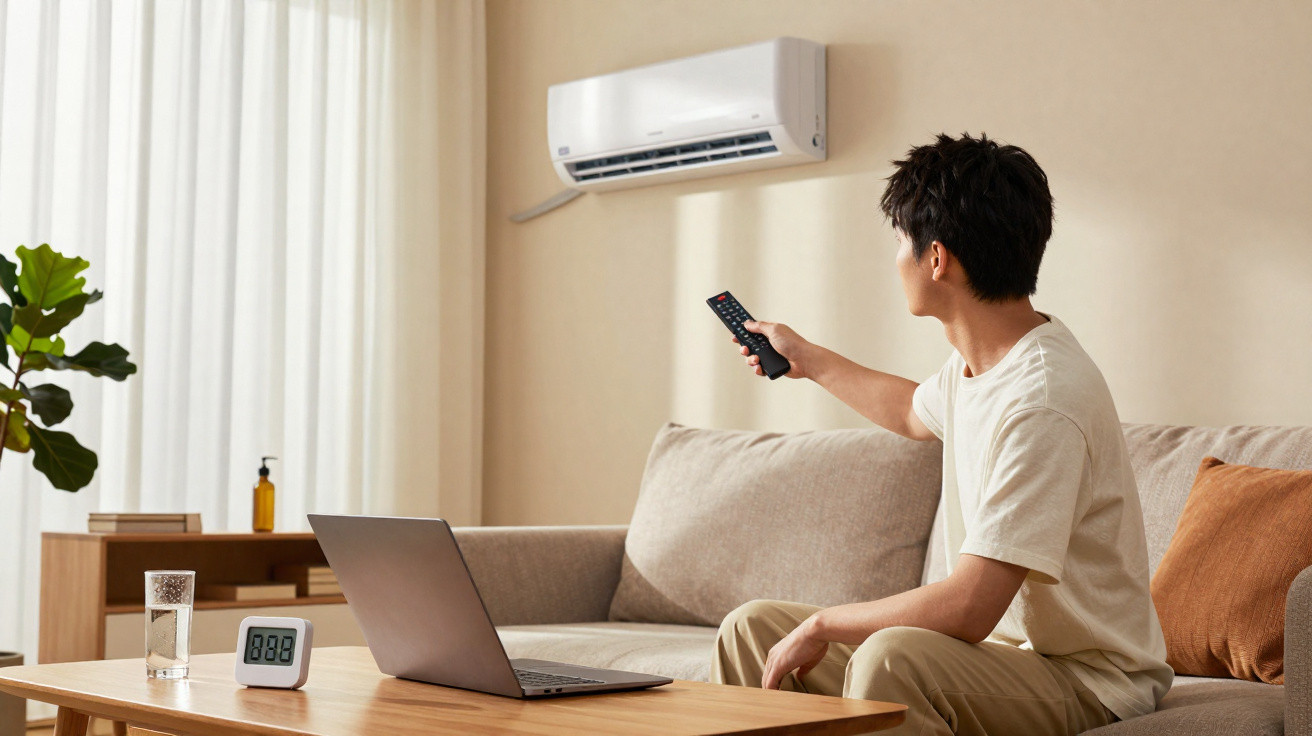
Regulating how you use air conditioning matters if you want to curb both the hit to your household budget and the impact on global warming.
Setting your air conditioning: what temperature is ideal?
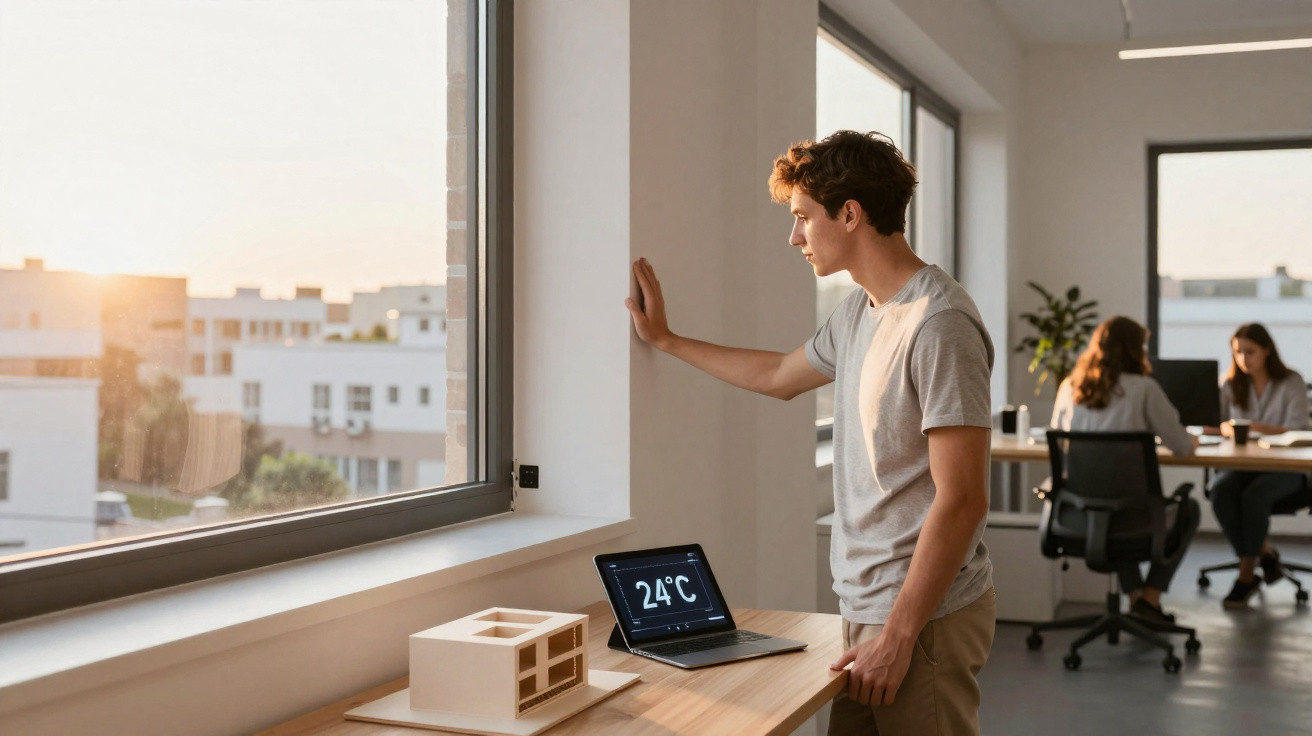
The best temperature setting for air conditioning depends on a range of factors. However, if it is 25°C or above outside, the usual advice is to set your unit to 24°C. If it is cooler than that outdoors, you simply do not need to run air conditioning.
There are several reasons for this. First, once temperatures reach 25°C, heat can severely undermine productivity: concentrating becomes harder, and computers are more likely to overheat. Peer-reviewed scientific research has shown this. Second, the more you push the indoor temperature down, the more electricity you will use.
Electricity costs: why a few degrees matter
As a rule of thumb, a difference of three degrees can end up costing as much as 15% more. Naturally, these figures should be treated cautiously: the real-world outcome varies depending on your equipment, your settings, and your energy supplier. Even so, the direction of travel is unmistakable-cool less and you spend less.
In a period of economic strain where inflation is setting the pace, it is worth knowing the practical steps that can help.
Cooling your home: practical advice
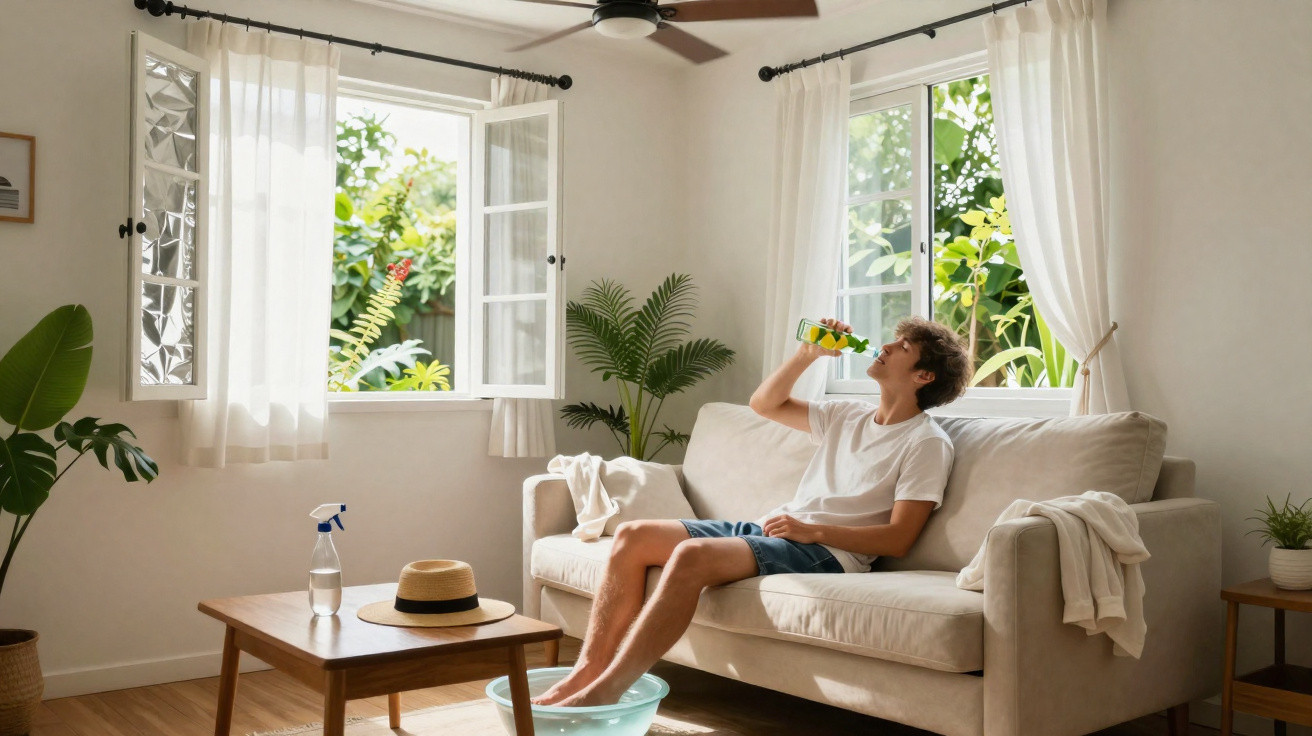
Before switching on the air conditioning, ask yourself a simple question: is it really worth the cost? In some situations-provided privacy and overlooking are not an issue-it may be more sensible to skip extra clothing and open the windows to create a through-draught.
In the evening, fitting mosquito nets can be enough-while also remembering to draw the curtains across other windows so you do not disrupt insects’ night-time navigation, at a time when their populations are under threat.
Night ventilation, shutters and smart controls
Alongside this, it helps to keep outdoor air moving through the home for as much of the night as possible (when the temperature allows). By contrast, during the day, close the shutters as soon as you can.
A smart thermostat can also adjust indoor temperatures in real time and reduce energy use-potentially by pre-conditioning the home before you arrive. The same principle applies to smart blinds, such as those from Ikea or competing brands.
What about the computer?
For electronic devices, the priority is to avoid leaving them in direct sunlight-even when it is coming through a pane of glass. Heat can be harmful to internal components.
For computers specifically, there are laptop stands with built-in fans, and even smartphones that use heat pipes. It is also worth noting that using an external monitor can significantly increase your PC’s energy consumption, so take care.


Comments
No comments yet. Be the first to comment!
Leave a Comment