
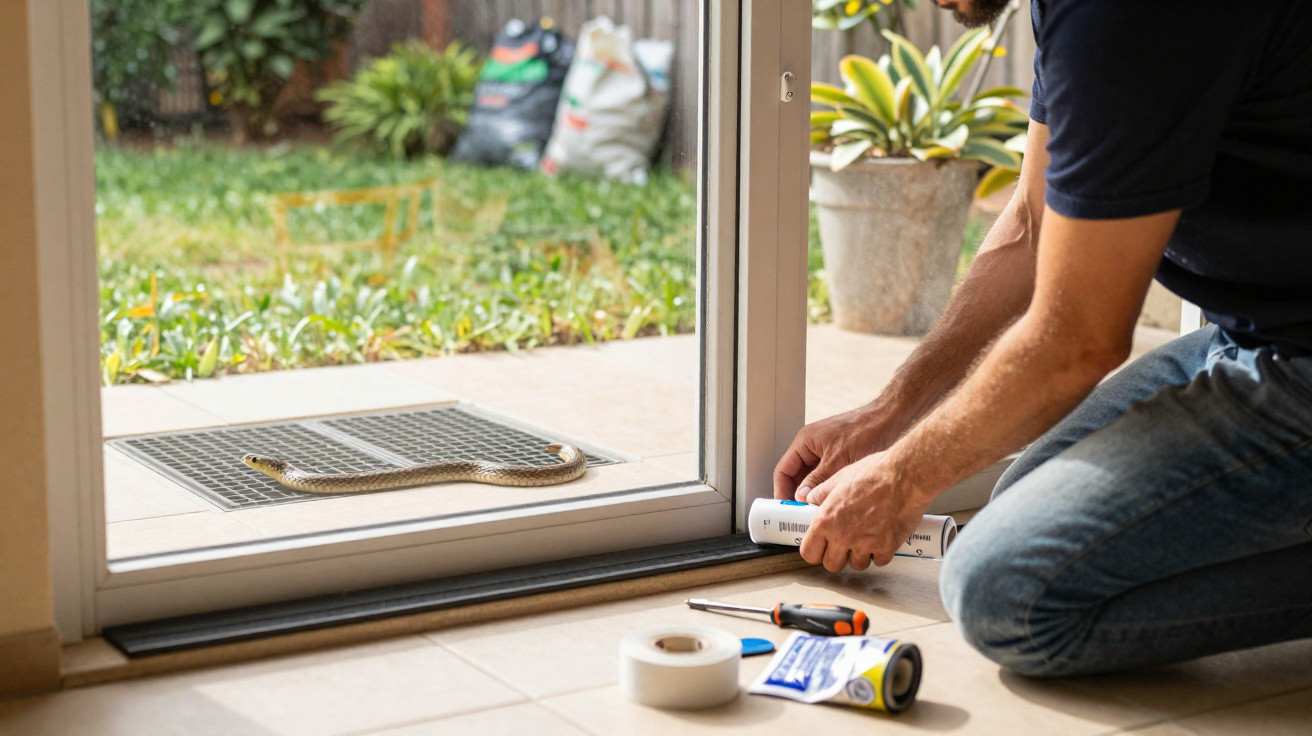
Rising numbers of snakes turning up inside homes have put residents on alert about the dangers linked to these venomous animals. Keeping your property sealed and protected becomes especially important during hot, rainy spells, when these reptiles leave their natural habitats in search of safe shelter and new food sources in the urban area.
Why do snakes look for shelter inside homes?
Extreme weather and unplanned urban growth are bringing wildlife closer to human spaces. When heavy storms hit or temperatures climb too high, snakes seek out dry places to hide, making gaps in buildings perfect targets for their silent entry.
Neglected vacant plots and piles of junk in back gardens also encourage small rodents to thrive. As these mammals are a snake’s preferred prey, homes can end up drawing in dangerous predators that find it easy to access food consistently.
What should you do if you find a snake in your house?
Experts advise on the right response and the need to isolate the room immediately until professional rescue arrives… Read more
What are the main entry points snakes use?
Cracks beneath external doors and poorly aligned windows are among the most common routes these animals use. Because their bodies are extremely flexible, snakes can slip through millimetre-wide openings and reach indoor areas without making noise or drawing the immediate attention of local residents.
Bathroom drains, utility areas and inspection access points without suitable protection also pose significant structural risks. Pipework connected to the rainwater network can act like a true underground tunnel, enabling venomous animals to travel straight into the occupied areas of your home.
Below is a video from the TV Brazil channel on YouTube that explores the points discussed in this topic in more depth:
How can you seal doors and windows properly?
Fitting rubber draught excluders or brush strips along the bottom of doors is an effective way to block unwanted visitors. This simple step creates a permanent physical barrier, stopping small reptiles from exploiting the gap between the floor and the wooden door leaf during the night-time hours.
Windows should be fitted with tightly stretched fine-mesh screens and properly adjusted frames to remove recurring side gaps. The Ministry of Health emphasises how important this preventative block is, because snakes can climb rough surfaces and creeping plants, easily reaching upper openings that often remain exposed on hot days.
Home Protection
Sealing Kit - essential devices for blocking access by crawling animals:
- Adhesive door draught seals;
- Metal screens for outdoor drains;
- Automatic lower sealing strip.
What precautions should be taken with drains and pipework?
Indoor drains should be fitted with covers that use rotating shut-off systems or internal protective mesh. This measure prevents water and land snakes from coming up through waste pipes and startling residents in the bathroom, providing peace of mind for the whole family in a practical way.
Keeping grease traps and inspection chambers firmly sealed also prevents urban pests from settling in-pests that can attract larger predators. The Fire Brigade recommends routine checks of these outdoor structures, ensuring small cracks do not become entry portals for unwanted venomous animals.
The main preventive steps recommended by health authorities involve coordinated improvements to the home’s infrastructure:
- Using smart drains with automatic opening and closing;
- Applying nylon mesh to all air-conditioning vents;
- Installing fixed metal grilles on rainwater outlets.
How does keeping the garden tidy help prevent accidents?
Maintaining a tidy garden sharply reduces the number of natural hiding places near access points to the house. Regularly cutting the grass and clearing built-up leaves discourages snakes from staying, because they lose their protective camouflage and tend to avoid being out in the open on clear ground.
Disposing of organic waste correctly also helps prevent insects and rats from multiplying near doors and entrances. Without readily available prey for active hunting, venomous reptiles naturally move towards more distant wooded areas, keeping domestic boundaries protected against potential risks of accidental bites.





Comments
No comments yet. Be the first to comment!
Leave a Comment