
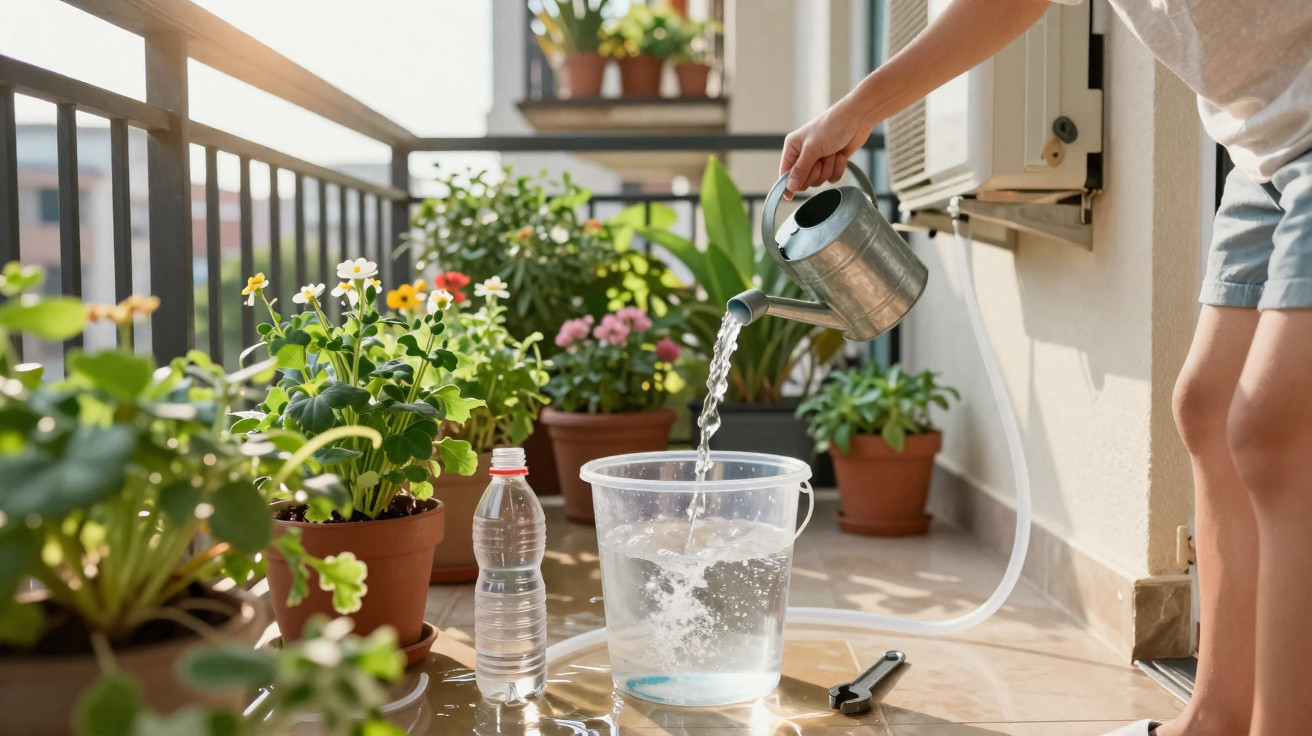
Using air-conditioning regularly produces a steady stream of water that is often thrown away without a second thought. Yet collecting this condensation water can be a safe way to handle a range of household chores, improving sustainability while delivering noticeable monthly savings.
How does the appliance produce this resource?
Whenever a room is cooled, moisture in the air meets the unit’s chilled coils. As part of this natural process, the vapour condenses into droplets that run out through the external drain continuously and quietly.
This liquid is known, technically, as condensation water, and it can be generated in surprisingly large amounts throughout the day. Reusing it sensibly prevents waste and helps households cut their use of drinking-quality water in a straightforward and highly effective way.
How to reuse the water that drips from the air conditioner?
Many people pour this resource away every day, but specialists explain that it can be collected hygienically to… Read more
What is the average volume of water wasted each day?
A single air conditioner running normally can produce about 20 litres of water per day via the drain. In places with several units operating at once, the combined total can reach hundreds of litres daily-water that ends up being completely discarded for no necessary reason.
Organisations and schools that capture this discharge often achieve substantial reductions in their monthly water bills. The savings show how simple sustainability measures can turn waste into a valuable resource for the budget.
Below, watch the explanatory video from the Record Goiás YouTube channel about reusing this water:
What materials are needed to collect it?
Putting together a home setup to capture condensed moisture requires little money and uses materials that are easy to find in shops. With a few basic plumbing items, you can build an efficient arrangement that channels the full flow into a suitable container.
This straightforward installation also stops the liquid from running messily down walls or across pavements, keeping outdoor areas clean and dry. Using common tools, most people can complete the job quickly, ensuring safe and very organised collection of this input.
Water Collection Kit
Collector components
With a low initial outlay, you can create a simple, practical collection system using the following materials:
- Flexible hose connected to the air conditioner’s drainage outlet;
- PVC pipe with an attached tap to control the liquid’s release;
- A clean, lidded storage container to keep the collected volume safely.
How can you reuse the liquid safely?
Even though it comes from moisture in the air, this water has not gone through purification or drinking-water treatment and is not safe for human consumption. It may carry dust, mites, and other harmful micro-organisms, making it wholly unsuitable for drinking, cooking, or even washing food.
To ensure safe reuse in everyday tasks, store it only in containers that are thoroughly clean and properly sealed. This reduces the risk of external contamination and helps prevent disease-carrying mosquitoes from laying eggs in the collected water reservoir.
At home, this resource should be limited to uses that do not involve ingestion:
- Cleaning pavements, floors, and outdoor areas;
- Watering ornamental plants and gardens;
- Flushing household toilets.
How does this practice help the environment?
Reusing condensation water directly reduces demand on public water-supply networks. This simple change in routine helps protect local water sources and can significantly lower the costs associated with treating the resource.
On top of that, small environmental actions like this can encourage whole communities to adopt more sustainable habits day to day. By promoting shared savings, each person plays an important part in building a far more sustainable and balanced future.





Comments
No comments yet. Be the first to comment!
Leave a Comment