
Many houseplants look limp and tired after winter - but with one straightforward kitchen trick, they can head into spring with fresh energy.
As the days lengthen outdoors, plenty of indoor plants still seem to droop: watering mistakes, the wrong fertiliser, and dry air from central heating all take their toll. Rather than buying pricey specialist products, some plant lovers rely on a surprisingly simple home remedy made from just two ingredients - and say it leads to lush growth and plenty of flowers right through to autumn.
Why houseplants struggle after winter
Through winter, many living-room plants run on “low power”. There’s rarely enough light, the air is dry, and growth almost stops. If you fertilise heavily or keep watering as normal, it often does more harm than good.
- Leaves turn soft or hang down.
- Fresh shoots are slow to appear.
- Flowers arrive much later - or not at all.
- Compost stays wet for too long, and roots are more likely to rot.
This is exactly where a spring routine using banana water can help: it’s meant to give plants a gentle nudge once they naturally start waking up - not while they’re still stuck in winter mode.
The core trick: homemade banana water as a gentle fertiliser
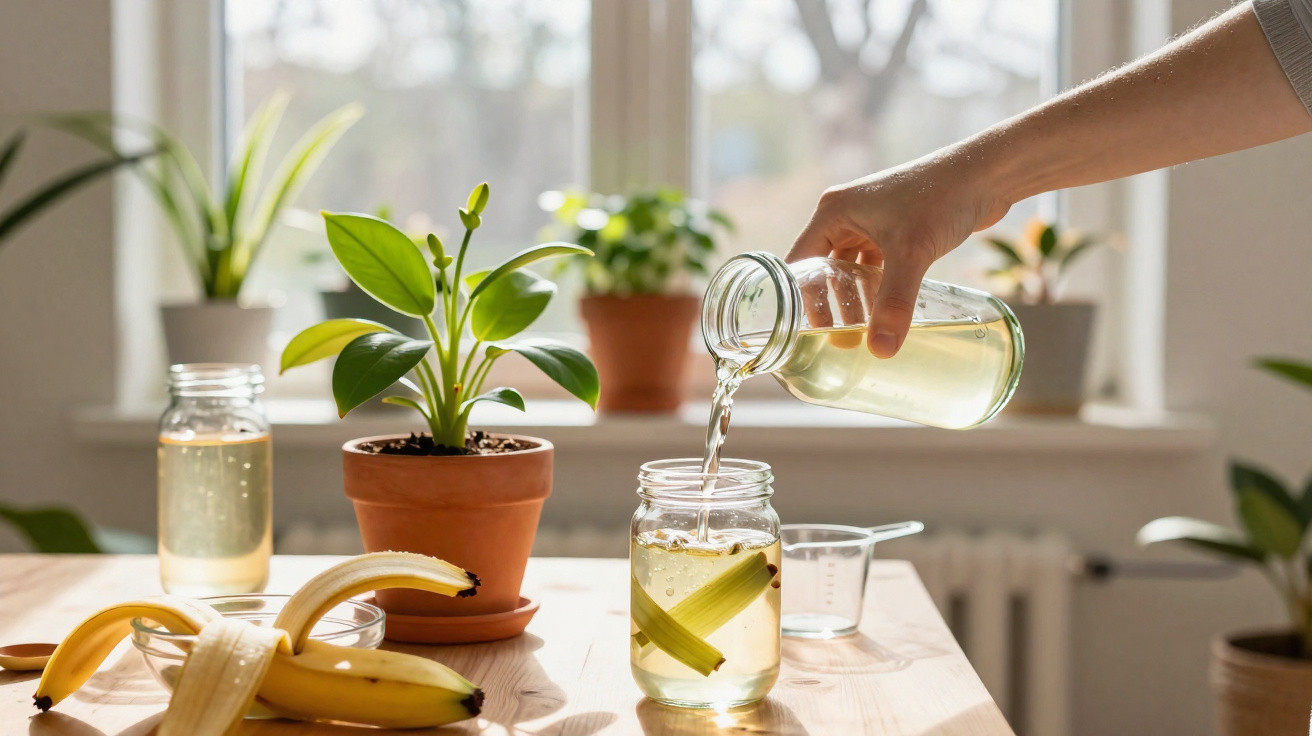
The concept is remarkably simple: soak a banana peel in water, strain it, dilute it, and you have a light spring feed. Many houseplant fans say their orchids, peace lilies, spider plants, or snake plants look noticeably more vigorous with it.
"Banana peels are packed with potassium and trace elements - exactly the nutrients plants need for sturdy leaves and reliable flowering."
Compared with concentrated shop-bought liquid fertiliser, the nutrient dose is relatively mild. That can be an advantage, particularly in smaller pots on a windowsill where compost can seem “overfed” very quickly.
Making banana water: how to get the mix right
To make this DIY plant water, you genuinely only need two ingredients. Once people try it, many end up making it part of their regular spring routine.
Step-by-step instructions
- Eat a ripe banana and keep the peel.
- Cut the peel into rough pieces.
- Put it in a jar or bottle and top up with tap water.
- Leave it at room temperature for several days, ideally covered.
- Strain out the peel so only the liquid remains.
- Dilute this concentrate with fresh water.
You can adjust the dilution to the season: at the very start of spring, it can be a little stronger; in midsummer it’s usually much weaker, but used more often. The mixture may smell faintly sweet, but it shouldn’t develop an unpleasant, fermented odour. If it does, it’s been left too long - it’s better to make a fresh batch.
The right timing: the starting signal is late March
Timing is crucial for when to begin. Many experienced plant keepers wait until March is almost over and the days are clearly longer. Only then do light levels and temperatures rise enough for plants to start pushing new growth.
You can see it on the plants themselves:
- first fresh, light-green leaves
- clearly visible new shoot tips
- in orchids, small buds or new leaf starts
- peace lilies sending up new leaf “spears” from the centre of the plant
From this point, swap out one normal watering per month for banana water. During the main growing period from late spring, you can gradually increase to once a week - but only when it is much more diluted.
How often should you water - and when is it better not to?
As useful as this home remedy can be, overdoing it backfires. Plants are more likely to suffer from waterlogged roots than from too little fertiliser. Banana water should never tempt you to water more often than the plant actually needs.
"Banana water is an extra, not a free pass for constant watering. The compost decides, not the calendar."
A few practical rules of thumb:
- Finger test: the top layer of compost should be properly dry before you water again.
- With pots that have no drainage hole, water sparingly and avoid standing water.
- In rest periods - especially winter - stop fertilising altogether.
- With very sensitive species, trial it heavily diluted first.
In winter, many plant owners pause all feeding, including homemade options. Plants are barely growing then, need less water, and require almost no extra nutrients. Banana water only becomes worthwhile again when the natural yearly rhythm turns back towards spring.
Will banana water attract pests?
A common worry is whether the lightly sweet solution draws fungus gnats or other nuisance insects. Experiences vary, but many people report no difference compared with plain watering, provided they follow a few basics.
- Don’t use water that has been sitting around for weeks.
- Filter out peel fragments completely.
- Don’t leave banana water pooling on the compost surface.
- Keep bottles tightly closed so insects can’t get in.
If you already struggle with fungus gnats, it’s wise to reduce watering overall and let the compost dry more between waterings. Sticky traps and a mineral top dressing on the surface can also help.
Kitchen alternative: strengthening plants with rice water
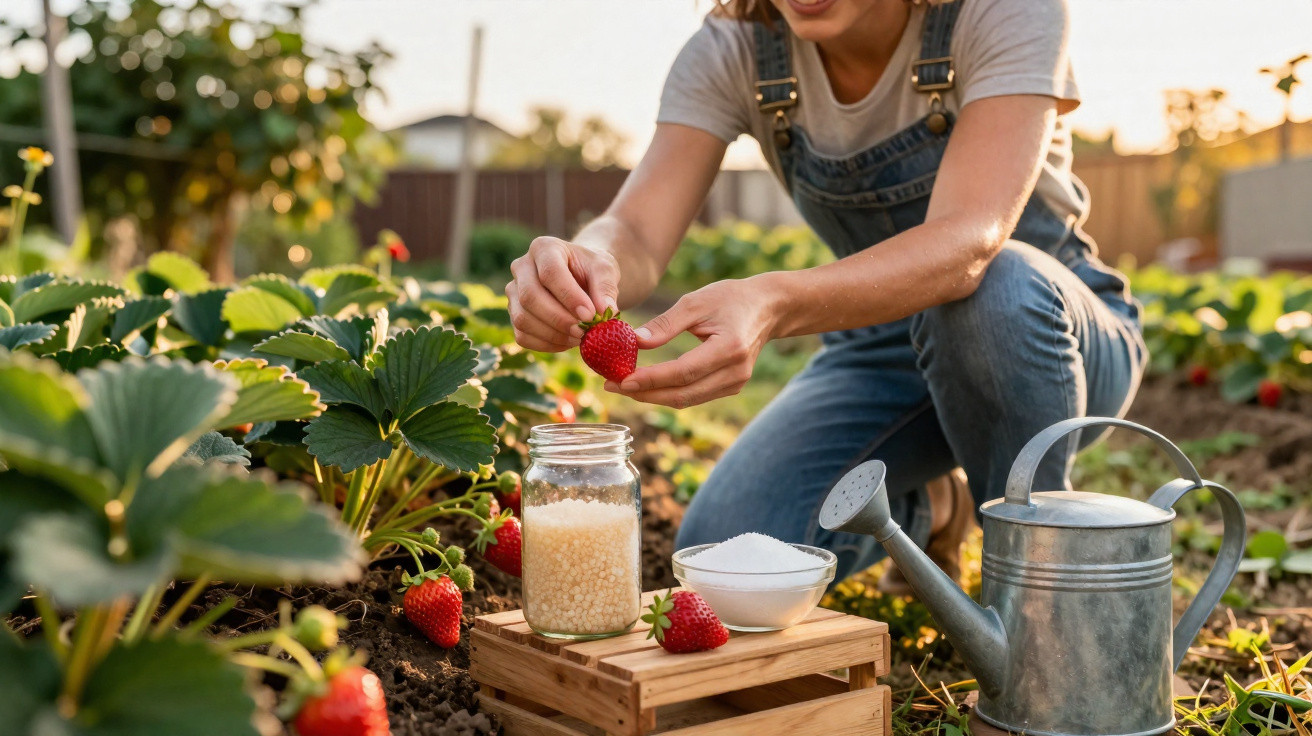
Another gentle home option is the water used to rinse or soak rice before cooking. This water also contains small amounts of nutrients and starch, which can stimulate microorganisms in the growing medium.
The key here is to be very cautious:
- Use only clear, unsalted rice water.
- Dilute it heavily with tap water.
- Apply it only every few weeks, not at every watering.
- Use leftovers promptly rather than leaving them to stand for days.
If you use both approaches, avoid applying them close together. Plants can be fairly tolerant, but running too many experiments at once makes it harder to tell what’s helping - and when it becomes too much.
Which houseplants are suited to banana water?
In principle, many common types benefit - especially those growing in standard potting compost and that put on obvious new growth in spring. Examples include:
- orchids in bark substrate (with clearly diluted banana water)
- peace lilies
- spider plants
- snake plants (mother-in-law’s tongue)
- pothos and other trailing plants
Take extra care with plants that are highly sensitive to limescale or that naturally grow in very nutrient-poor conditions, such as some succulents or carnivorous plants. For these, it’s usually best to stick to plain water, or at most test a very weak mix once.
Risks and limits of this home remedy
As convenient as it sounds, banana water won’t replace the basics of good care. If a plant is kept in the wrong pot, in too little light, or in compacted compost, you shouldn’t expect miracles. There are also a few common pitfalls:
- leaving the mixture too long, causing fermentation
- making it too concentrated, especially for small pots
- double-feeding if you also use mineral fertiliser
- poor root aeration from compost that is constantly wet
A solid rule to follow is this: healthy growth depends first on light, suitable compost, and the right watering rhythm. Banana water is a helpful add-on that can make use of spring to give plants a small boost - not a single fix for every issue.
Practical extras for a strong start to the plant year
If you’re already adjusting your watering routine, spring is a good time to add a few other habits. Many plant specialists suggest:
- gently loosening older, compacted compost at the top
- moving very tight plants into a pot one or two sizes larger
- wiping dust from leaves with a slightly damp cloth
- reassessing placement: more light, but not harsh midday sun
Combining these steps with a mild nutrient lift such as banana water can give houseplants a clear head start for the season. Especially in flats without a balcony or garden, a small indoor green corner can quickly feel like a freshly revived mini jungle.




Comments
No comments yet. Be the first to comment!
Leave a Comment