
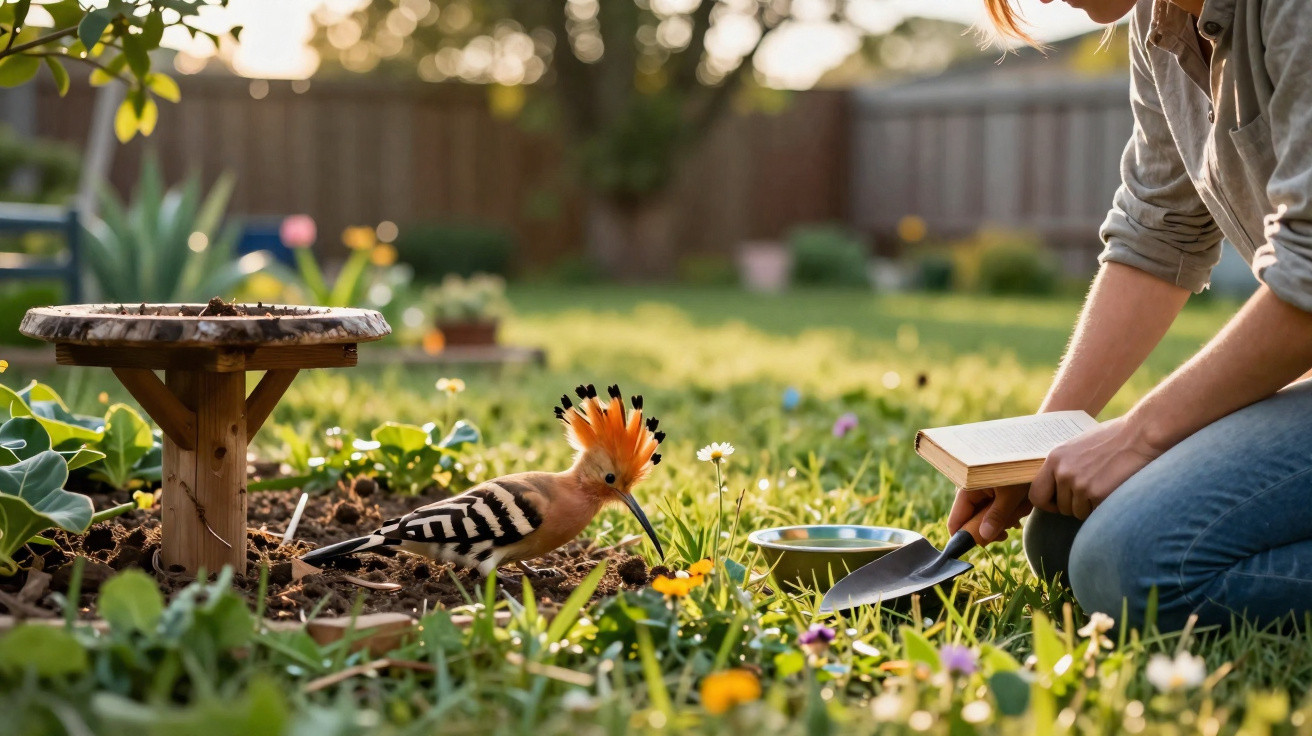
An orange-brown bird with black-and-white wings drops onto the lawn - its crown-like crest raised.
Anyone who spots that should take a closer look.
With its striking head crest and zebra-barred wings, the hoopoe can look like an exotic escapee. If it happens to pick your garden, it’s rarely pure chance. This bird can hint at the condition of your soil, how you use chemicals - and in many cultures it’s even linked with a turning point in life.
A rare visitor: how to recognise the hoopoe
For many people, a first sighting feels like a tropical bird you’d expect to see in a zoo. Yet the hoopoe (Upupa epops) is a native breeding bird in Europe - just far less common than a blackbird or sparrow.
- Plumage: warm orange-brown, almost chamois
- Head: a long feather crest that can be raised like a crown
- Wings: broad, with bold black-and-white bands
- Bill: long, slim, slightly down-curved
- Call: a distinctive “hoop-hoop-hoop”, low and rolling
Its outline is unmistakable: once the crest flicks up and it moves across the ground with small, springy steps, confusing it with another species is virtually impossible.
“If a hoopoe turns up in your garden, you’re getting a free professional check of your soil, your insect numbers and how peaceful your plot really is.”
What its visit reveals about your soil
From a natural history perspective, the hoopoe is a highly specialised insect-eater. It probes with its bill into soil and loose clods to prise out hidden prey. Its menu mainly includes:
- chafer grubs and other beetle larvae
- mole crickets
- crickets and other grasshoppers
- larvae of pests such as the summer chafer or oak processionary moth
- chunky caterpillars and other larger soil-dwelling insects
For that diet to be available, the bird needs ground that’s teeming with life. It tends to find this where:
- no chemical plant-protection products are used - or only very sparingly
- the turf isn’t overly dense and the ground isn’t fully sealed over
- there are patches of bare earth, beds, paths or other open areas
If a hoopoe doesn’t just pass through but returns to the same garden for several days or even weeks, experts read that as a clear sign: the soil is alive, insect populations are stable, and the site hasn’t been “sprayed dead”.
The garden as a “feel-good zone” for the bird
Hoopoes favour open, sunny ground. Typical habitats include:
- traditional orchards and old fruit gardens
- vineyards and lightly grazed grassland
- spacious parks with closely mown lawns
- gardens with grass, vegetable beds and a few bare patches
Quiet matters just as much as layout. The bird needs somewhere that isn’t constantly disrupted by chasing dogs, humming robot mowers, or round-the-clock activity. The calmer and more relaxed the setting, the safer it feels.
“A garden where a hoopoe hunts regularly feels to it like a small, sheltered refuge in the middle of an increasingly intensively used landscape.”
A migratory bird with a message: why its appearance isn’t random
The hoopoe spends winter largely south of the Sahara. In spring it moves north, reaching Central Europe as soils warm up and insect life kicks into gear. In Central Europe, it’s mainly seen from spring through to late summer.
Across Europe, its distribution is still concentrated in the warmer southern regions. In Germany, for example, it’s more likely in vineyard landscapes, dry river valleys or other climatically favoured areas. Further north, established territories are much rarer.
That’s why a hoopoe turning up in a northern garden isn’t simply a fluke. It “scans” landscapes and only lingers where three things line up:
- sufficiently large, open areas
- plenty of ground-dwelling insects
- a relatively low level of disturbance
Population figures show that in several countries the species has been slowly recovering after a marked decline in the 1990s. Reasons include tighter protection rules, more ecological farming - and growing awareness of insect-friendly gardens.
What the hoopoe “poetically predicts” about your future
Alongside its ecological meaning, the hoopoe arrives with a whole backpack of stories and interpretations. Even in ancient cultures, it held a surprisingly prominent place.
A symbol of direction and new beginnings
In Persian poetry, the bird appears as a kind of guide for those who are searching. In the famous tale The Conference of the Birds, it leads the flock towards insight and inner clarity. There, the hoopoe stands for:
- finding direction in uncertain times
- the courage to follow your own path
- a willingness to question what’s familiar
In Ancient Egypt, it appears in hieroglyphs as a symbol of gratitude and family connectedness. In many folk traditions, its arrival is taken as a prompt to put things in a new order or to start a fresh chapter - privately, professionally or in matters of health.
“Seeing a hoopoe in the garden can quickly feel like nature is saying: ‘A lot is going in the right direction here - keep it up.’”
How to make your garden hoopoe-friendly
Whether it comes back is not down to luck alone. A few straightforward steps can make it more likely the bird will use your land as a long-term feeding area:
- No poisons on lawns and beds
Avoid insecticides, highly potent fungicides and weedkillers. The less chemistry, the richer the soil life. - Don’t keep every bit of lawn clipped like a carpet
Leave some areas short so the bill can reach the ground easily, while other patches can grow taller and offer insects shelter. - Allow bare patches
Small areas of open soil, stepping stones, beds or sandy spots make hunting easier. - Provide hiding places and nesting options
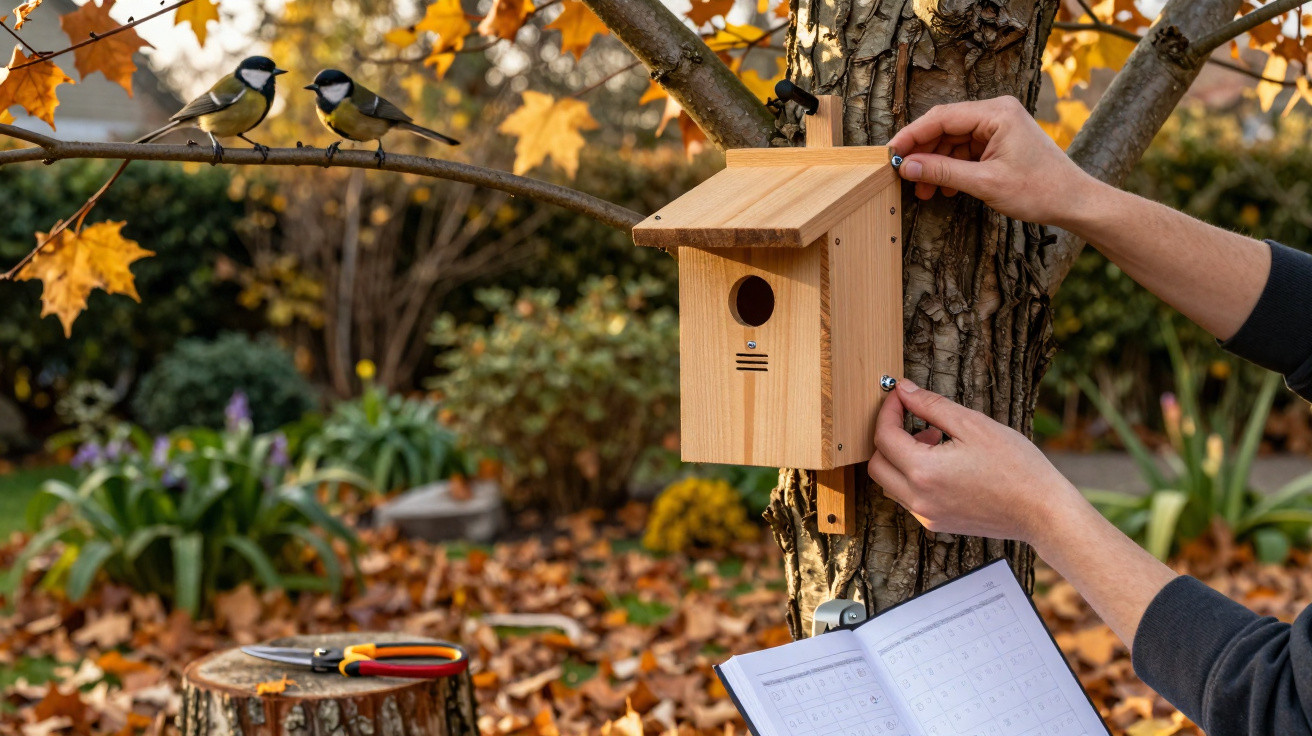
Old fruit trees with cavities, crevices in walls, nest boxes with a large entrance - these can all serve as breeding sites. - Plan quiet corners
Zones without ball games, loud machinery or constant activity.
Important: the hoopoe is strictly protected. Nests must not be disturbed or moved. If birds are breeding in your garden, mark off the area and keep your distance - especially while the young are being reared.
If the bird “smells”: an unusual form of self-defence
In some regions the hoopoe is nicknamed the “stink cockerel”. The label isn’t without reason. During the breeding season, the nest and its surroundings can develop a strong odour. This comes from special glands and material mixed with droppings that the chicks accumulate in the nest.
The effect is defensive: the smell deters many predators. For gardeners, that means if you work close to a nest site or take a curious look, you may briefly find yourself wrinkling your nose. It’s worth treating that as a positive sign - it suggests the bird accepts your garden as a safe place for its young.
What hobby gardeners can learn from the visit
A hoopoe offers indirect feedback on your gardening approach. A few takeaways are hard to ignore:
- Living soil with plenty of insects pays off twice - for birds and for resilient plants.
- Less perfection and more “corners with character” boosts biodiversity.
- Quiet and restraint - for example with pruning or the use of technology - create refuges.
Once you’ve witnessed it, you often start seeing your garden differently. Rather than keeping everything slick and sterile, the focus shifts towards maintaining a small, functioning ecosystem. These are exactly the kinds of oases a landscape needs as more and more ground is sealed over.
For many people, the first hoopoe moment feels like a small nudge from fate: the soil is alive, the direction is right, and sometimes it takes an unusual visitor to make you notice it more clearly.

Comments
No comments yet. Be the first to comment!
Leave a Comment