
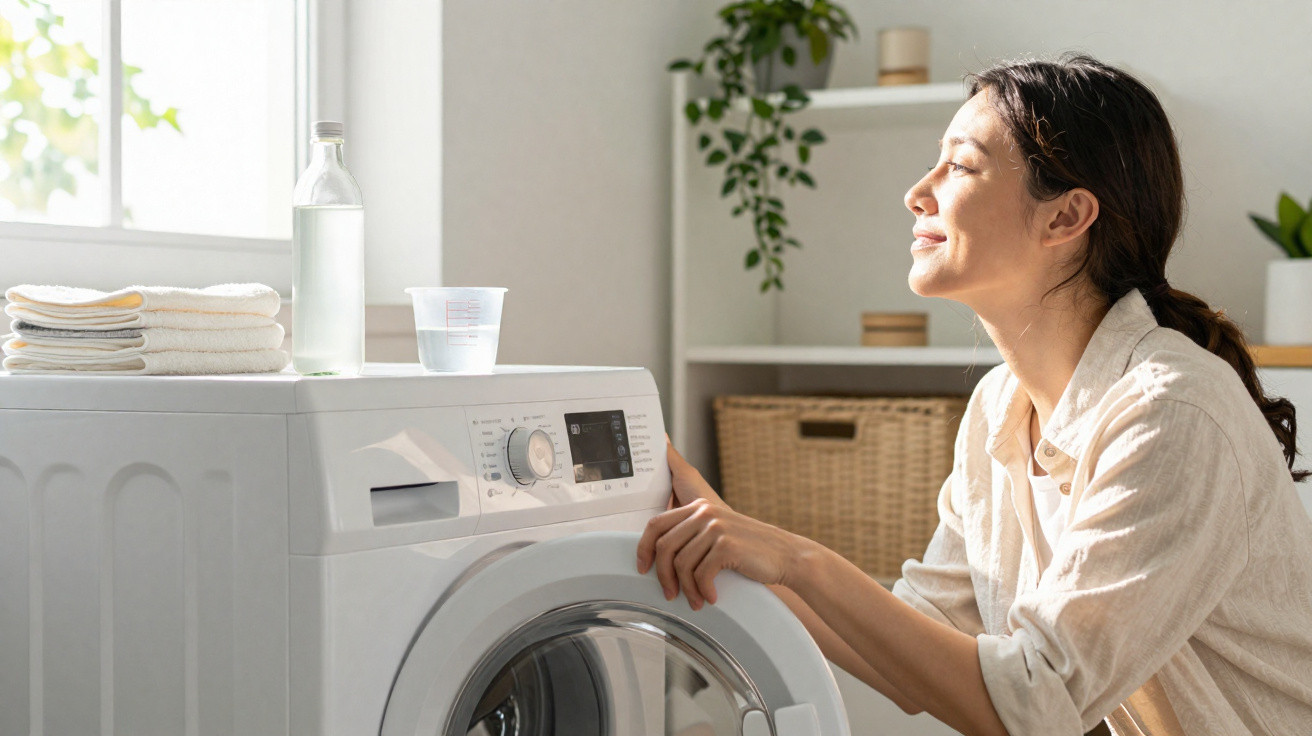
The first thing I noticed was the sour, persistent odour.
I pulled open the washing machine door, expecting to take out freshly washed towels, only to catch that subtle but unmistakable smell of damp socks abandoned in a gym bag for too long. The drum appeared immaculate. The detergent drawer seemed perfectly all right. I did the standard “empty hot wash” recommended online, added a little cleaner and felt mildly pleased with myself… yet, two days later, the odour returned as reliably as an old habit.
We have all leaned towards the machine and wondered, “Why does this smell like a dog’s breath after rain?” You clean the washer, leave its door ajar and scrub the rubber seal with considerably more enthusiasm than you can summon for work on certain days. Yet that stale smell remains, particularly when the utility room is cramped or the machine never has enough time to dry properly. I tested expensive tablets, branded cleaners and supposedly “eco” solutions. Eventually, though, the answer was sitting exactly where it always had been, so ordinary that it was easy to overlook.
It was not a gadget, a £10 wonder pod or a three-step “detox cycle”. It was a transparent bottle with a mildly pungent scent, already on my laundry shelf beneath the looming blue detergent box. Once I started using it properly, the smell did not merely vanish for a day. It stayed away for months.
The morning I opened the washing machine to no smell at all
There is a particular pleasure in an unremarkable household success that nobody tells you to expect. That morning, I opened the washing machine anticipating its usual damp blast and found nothing whatsoever. Only cool air and a slight dry cleanliness, like sun-dried cotton. There was no sour undertone and no lingering reminder of a damp towel washed days earlier.
For a moment, I wondered, “Did I forget I’d cleaned it yesterday?” I had not. The previous load had finished three days before. Normally, that would be plenty of time for the familiar odour to creep back, as if it were hiding behind the drum until the right moment. This time, it had disappeared. Even the rubber seal, usually the preferred hiding place for the pong, smelled of… almost nothing.
I stood with my hand on the door, absurdly proud of a metal appliance. To me, luxury has never meant marble worktops or scented candles priced at a day’s pay. It means opening a washing machine without being greeted by eau de mouldy sock.
The decidedly unglamorous hero: plain white vinegar
The solution is so straightforward that it sounds almost comical: plain white vinegar. Nothing else. No fragrant oils, no perfumes and no “deep clean technology” printed across the bottle. It is simply the inexpensive, sharp-smelling vinegar you might pour over chips or use to descale a kettle.
I had seen advice about using vinegar in the wash on social media and dismissed it. My nan relied on vinegar for everything from cleaning windows to treating hair, and I had mentally categorised it as one of those old-fashioned tricks from before modern products existed. Those modern products, incidentally, had done nothing to stop my machine smelling like a swimming costume left behind somewhere. One evening, frustrated by another musty load, I remembered the partly used bottle beneath the sink and decided to try it.
There was something faintly rebellious about ignoring the shiny pack of branded cleaner and reaching for an ingredient that cost less than a takeaway coffee. Rather than measuring with laboratory accuracy, I poured approximately two cups of white vinegar directly into the empty drum, closed the door and selected the hottest, longest programme. There was no detergent and no laundry inside, only vinegar, water and a slightly guilty sense that I could be wasting both.
Using white vinegar “like a rinse”, rather than only as a cleaner
That initial vinegar cycle was striking – while it ran, the smell was intense, rather like sitting in a sauna above a chip shop. Once the cycle ended, however, the drum smelled unexpectedly… fresh. The vinegar scent disappeared quickly after I left the door open, and the seal was no longer slimy for the first time. The grey film in the detergent drawer loosened and washed away with very little effort.
The real benefit appeared over the following weeks. Once a week, I began putting a small amount of vinegar – around half a cup – into the fabric softener drawer, treating it as a subtle rinse for the machine’s internal parts. My clothes did not emerge smelling of salad, which had been my private concern. As the laundry dried, the vinegar odour vanished, leaving everything simply… neutral. Not heavily perfumed and not stale: just clean.
That mild, regular rinse reduced detergent residue, created fewer places for mildew to flourish and meant I no longer needed to keep giving the machine a harsh chemical “shock”. Every few weeks, I still ran an empty hot cycle with a full measure of vinegar, but now the clean smell lasted. It did not remain only for a day or until the following wash. It lasted for months.
Why washing machine smells return in the first place
Most of us see a washing machine as something that cleans other things, so we naturally assume it must also be clean itself. It is a little like assuming a shower cannot become grubby because soap is always being rinsed away. In reality, modern detergents can cling rather effectively. They are formulated to capture dirt, soften water and leave fragrance behind. Part of that residue stays in the pipes, rubber creases and drum, forming a film much like one left on a poorly rinsed glass.
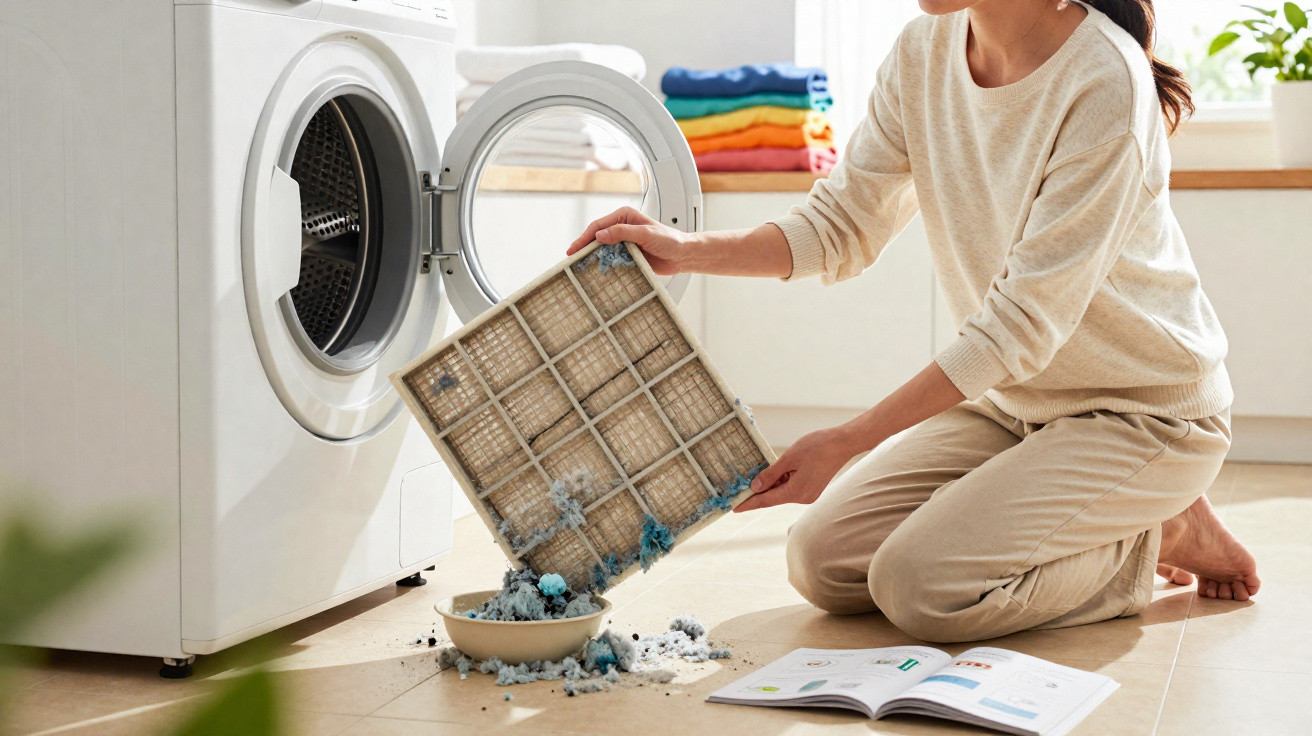
Then there is everything else we put through the machine: pet hair, perspiration, oily marks that do not fully wash out and the occasional tissue that disintegrates during the cycle. Combine that with a door kept closed between washes, trapping warm, humid air inside. It is effectively a spa break for mould and bacteria. They feed on the residue, thrive in dampness and repay your hospitality with that wet-dog-meets-cellar odour.
In truth, hardly anyone carefully wipes the drum and door seal after every single load. We are fitting in school uniforms and bedding around jobs, children, Netflix and real life. You might leave laundry in overnight, forget to leave the door slightly open or squeeze in a fast 30-minute “eco” wash and hope that will do. Smells flourish in the space between everyday living and the way instruction manuals imagine we behave.
Vinegar does not simply disguise odours – it deprives them of what they need
Plain white vinegar works so effectively because it does more than cover unpleasant smells with perfume: it alters the environment that caused them. Its gentle acidity helps break down the soap film attached to the drum and hoses, releasing the residue in which mould prefers to live. When that coating has dissolved and rinsed away, the smelly material has less to feed on and fewer surfaces to cling to.
Vinegar also naturally reduces many of the microbes responsible for odours. It is not a medical disinfectant, but in a washing machine that already uses detergent and hot programmes, it provides an additional push towards “too clean to party here”. Its appeal lies in its quiet, ongoing action. Use a little now and then as a rinse, and the smell simply… fails to return in the way it once did.
That was the change in my own utility room. Previously, the machine would smell fresh on the day after a branded cleaner cycle, before gradually becoming musty again. Once vinegar became part of the routine, the basic level of residue stopped accumulating, leaving the smell with nothing to settle on. It seemed less like a temporary remedy and more like adjusting the machine’s long-term mood setting.
How to use white vinegar without making the house smell like a chip shop
You can add vinegar to your laundry routine in two ways without making your home smell like a fryer. The first is a “deep reset”: an empty, hot cycle with around two cups of white vinegar poured directly into the drum. Use this approach when the smell has already taken hold and feels stubbornly personal, as though the machine has a grievance.
Choose the hottest and longest programme your empty machine can handle. Allow it to complete the full cycle without detergent or clothes. Afterwards, open the door, remove the detergent drawer and leave the whole appliance to air for an hour or two. If you have the energy, quickly wipe the rubber seal with a cloth; after the vinegar cycle has loosened what was lurking there, it will usually be far easier to clean.
The other option is the “little and often” method. Weekly, or after every few washes, add around half a cup of white vinegar to the fabric softener compartment instead of conditioner. The machine will release it during the final rinse. Your laundry will not smell of vinegar – the sharpness fades as it dries – while the drum, hoses and hidden areas receive a small but regular clean.
A simple warning about combinations to avoid
One point is important enough to state clearly: never combine vinegar and bleach. Together, they can produce unpleasant fumes that you do not want near yourself, your family or your small utility room. Where your washing routine includes bleach-based products, keep the treatments separate – run a bleach cycle on one day and use a vinegar rinse at another time.
Use plain white distilled vinegar too, rather than expensive balsamic or cider varieties. Those work brilliantly in salads but not in a washing machine. Coloured vinegars may leave deposits or cause light staining over time, which is precisely what you are trying to prevent. Cheap supermarket own-brand white vinegar is ideal for this job: unglamorous, unperfumed and quietly effective.
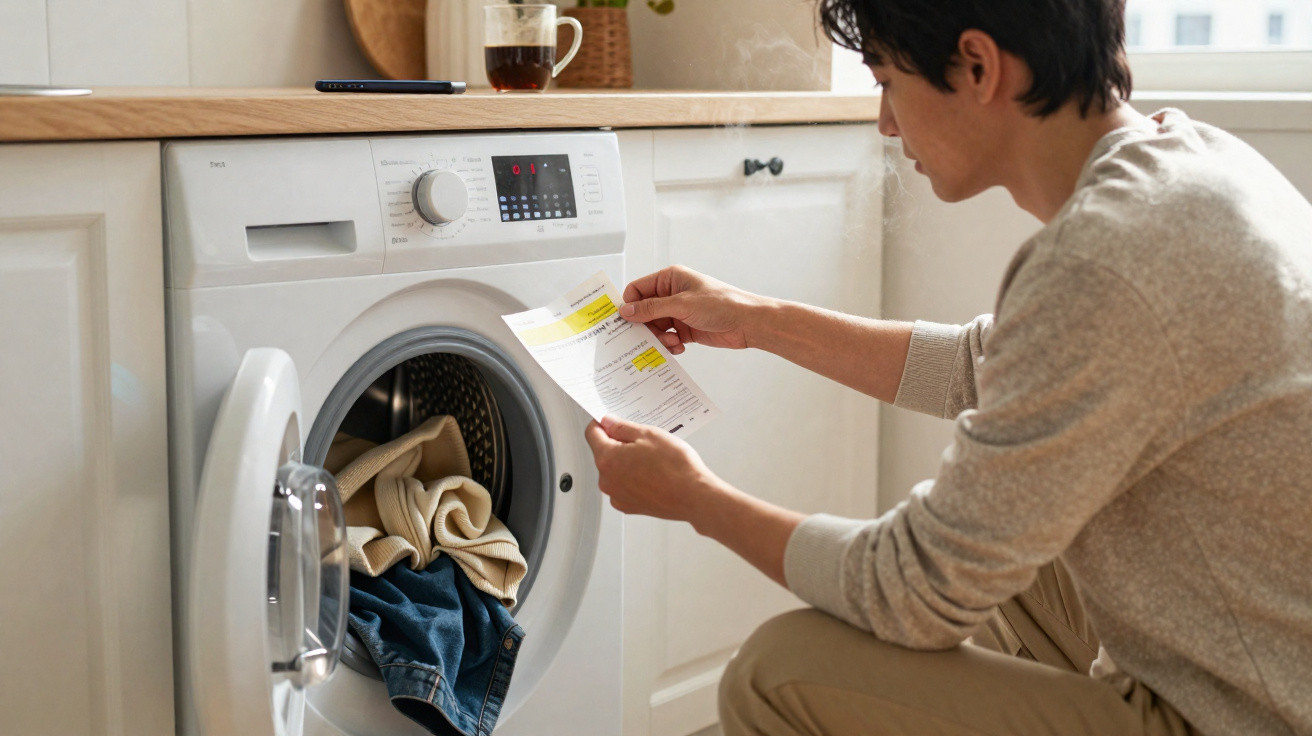
If your machine is especially new and remains under warranty, some manufacturers can be wary of products other than their approved cleaners. For reassurance, it is sensible to check the manual or look up your model online. In most ordinary households, though, people have used vinegar in their washing machines for years without problems – only with fewer odours.
The small white vinegar habit that makes a laundry room feel fresher
There is something surprisingly satisfying about solving a minor household puzzle that has irritated you for ages. This is not about becoming a perfect homemaker, whatever that may mean. It is about taking back part of a daily routine from a nuisance you had almost accepted as “just how it is now”. Towels that smell damp. Slightly funky gym clothes. A washing machine that seems older than it really is.
Using white vinegar in my washing machine became one of those low-effort background habits, much like switching off lights as you leave a room. A splash here and a deep cycle there made the utility room feel less like a damp cupboard and more like a space working with me rather than against me. During a hot empty cycle, the faint vinegar smell now suggests prevention to me instead of a crisis.
Naturally, washing machine odours will never be life’s greatest concern. Life is untidy, and on some days remembering to press start is an achievement in itself. Yet, on quieter days, when you have five spare minutes and a half-full bottle of white vinegar in the cupboard, this small method can gently refresh a space you use more than you might realise. There’s a strange, almost smug comfort in opening that door weeks later and smelling absolutely nothing at all.
Perhaps that is the real appeal of this humble laundry-room ingredient. It is not glamorous, has no glossy advertising campaign and is not something anyone posts about proudly on Instagram. It simply performs reliably and quietly, preventing odours from returning every few days to remind you about all the housework still waiting. In a world that can feel overwhelmingly smelly on some days, that kind of invisible, clean success is deeply soothing.


Comments
No comments yet. Be the first to comment!
Leave a Comment