
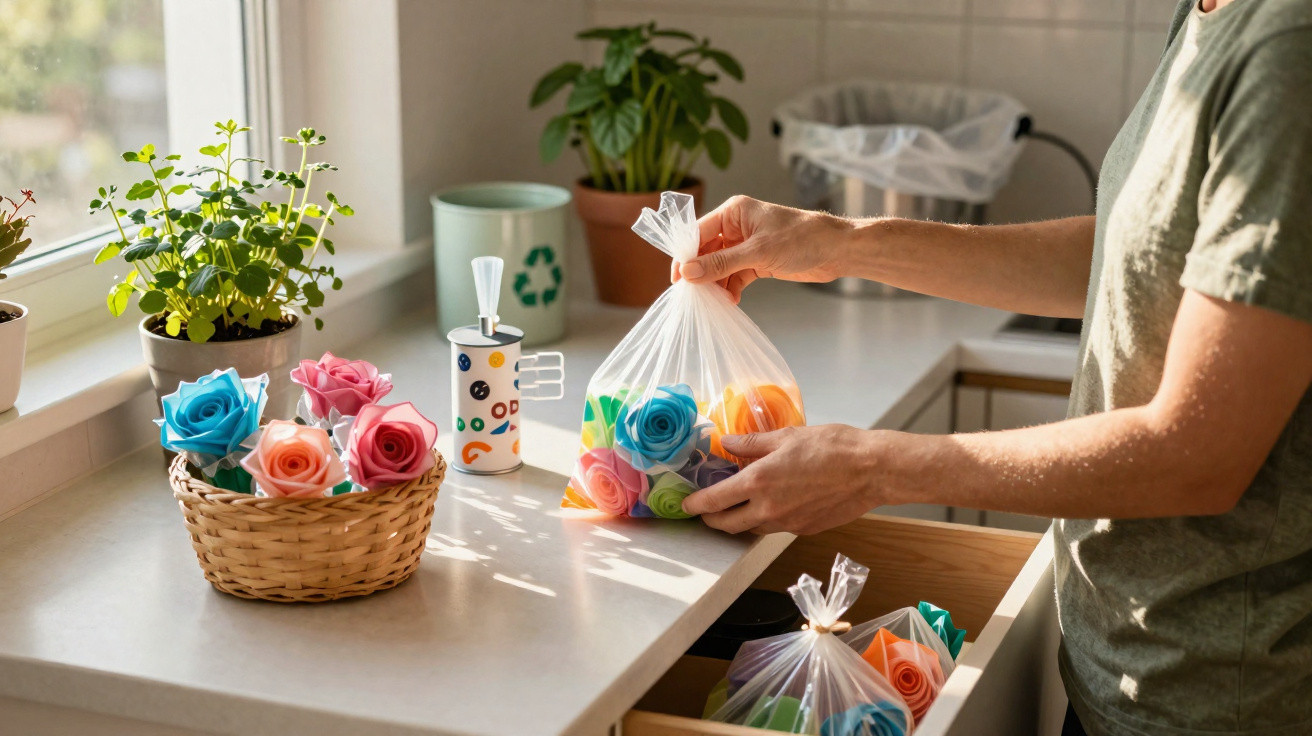
Supermarket plastic bags can be given a few extra jobs before you dispose of them properly. When they are clean, dry and free from tears, they are handy for straightforward tasks such as lining small bins, protecting belongings and separating damp or dirty items in everyday life - helping to cut waste and avoid unnecessary purchases.
Why is it worth keeping supermarket plastic bags?
Even in homes that mainly rely on reusable shopping bags, a few plastic bags still tend to crop up. Rather than scrunching them into a drawer, it is better to set aside the ones that are still in good condition for quick, practical uses.
The key point is hygiene. Bags that have carried raw meat, leaking products, damp food or anything with a strong odour should be disposed of correctly, not reused around the house.
How can you organise the bags so they take up little space?
Storing bags any old way creates bulk and mess. A more effective approach is to fold or roll each one before placing them all in a single container, such as a box, a large tub or a repurposed holder.
- Sort by size: small, medium and large bags suit different jobs.
- Fold into a triangle: this cuts down on volume and makes it easier to take one at a time.
- Store in a dry place: dampness can cause unpleasant smells.
- Throw away torn ones: they will not hold weight or protect items properly.
- Keep away from children and pets: plastic bags can cause accidents.
What are the 3 ways to reuse them day to day?
The most useful options are the ones that make the most of the material’s strength and flexibility. Without needing to cut, glue or do any craft work, they can handle small household needs.
- Line small bins: use them in the bathroom, home office, bedroom or utility room.
- Separate clothing and footwear: cover shoes, damp items or dirty laundry when travelling.
- Protect objects: wrap items to guard against dust, splashes or grime during house moves and cleaning.
- They can also be used to gather dry recyclables before collection.
- Avoid using thin bags for heavy, sharp or very hot items.
How do you prepare each bag before reusing it?
Before storing it, open the bag out, shake out any debris and check that there are no holes. If it is damp, leave it to dry completely in a well-ventilated spot. Bags with lingering odours, grease or any liquid residue should go straight to the appropriate disposal.
For bin liners, pick bags with no tears and pull the handles over the rim. For travel, choose bags that are clean and fully dry. For protecting items, use two bags if the object has corners that could split the plastic.
When should a plastic bag be thrown away?
A bag should be disposed of when it is dirty, contaminated, torn, smelly or no longer sturdy. Reusing does not mean keeping everything forever - it simply means giving the material one more purpose while it is still in good condition.
After its final use, put it in the correct bin or send it for recycling if there is a collection scheme available in your local area. That way, plastic bags stop being clutter in the kitchen and become simple helpers for organising, protecting and making small household tasks easier.

Comments
No comments yet. Be the first to comment!
Leave a Comment