
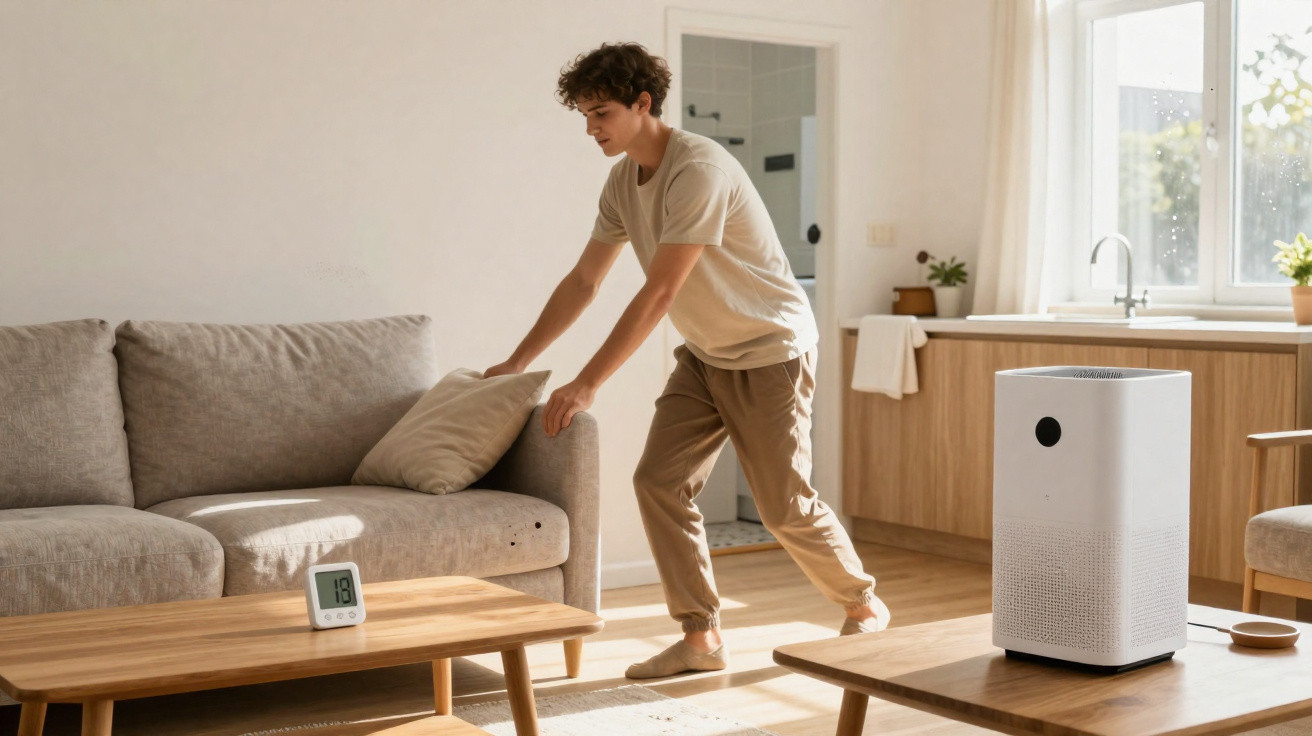
Humidity does not always show up first as large patches on a wall. Certain objects and places inside the home can hold on to water for longer, particularly when they sit in poorly ventilated areas or are regularly exposed to steam and splashes. Noticing these spots during everyday cleaning can help stop moisture from staying out of sight.
Why do some objects build up humidity without you noticing?
Moisture can become trapped in fabrics, small gaps, porous surfaces and areas with limited air movement. Even when something feels dry on the outside, dampness may still be present within the material or on the side pressed against another surface.
Bathrooms, kitchens and utility rooms often produce more steam and splashes, but that does not mean other rooms are free of the issue. When ventilation is poor, evaporation slows down and some materials take much longer to dry completely.
What are the 4 points that deserve attention?
A few examples tend to crop up regularly in day-to-day home life:
- Bathroom mats: the underside can stay damp after a shower, especially when it sits directly on the floor.
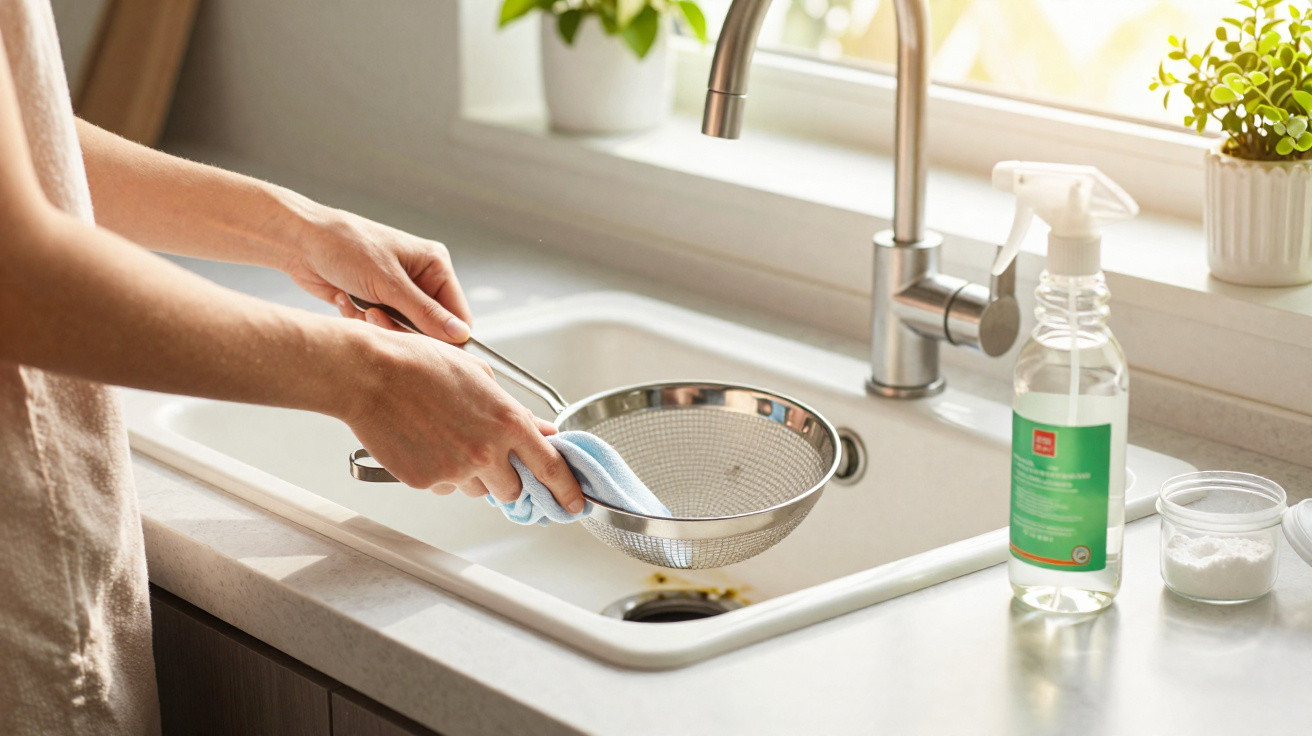
- Sponges and cleaning cloths: if they are put away while still wet, they can remain damp for hours.
- Shower curtains: folds and areas close to the walls can take longer to dry when the room is not well ventilated.
- The back of furniture: when a piece of furniture is positioned very close to a cold or damp wall, airflow can be restricted.
These spots will not necessarily collect moisture in every home. The likelihood depends on the material, how often it is used, ventilation, and the conditions in the space.
How can you stop moisture getting trapped in these places?
After showering, try to leave mats and curtains positioned so they are exposed to as much air as possible. Cloths and sponges should be wrung out and left to dry fully before being stored.
It is also worth checking furniture and objects that sit flush against walls. Where the manufacturer specifies a gap, keep it in place to allow air to circulate. In naturally damp rooms, ventilating regularly can help speed up drying.
Who should pay closer attention to these points?
Homes with limited ventilation, rooms that generate a lot of steam, or places where clothes and items take a long time to dry call for extra care. In those situations, small areas that hold water can stay damp for much longer.
If you notice persistent marks, a musty mould smell, or signs of deterioration on walls and furniture, simply drying the items may not address the underlying cause. It is important to investigate where the moisture is coming from. With that in mind, keeping an eye on the things that retain moisture inside the home can help you spot problem areas that often go unnoticed during cleaning.

Comments
No comments yet. Be the first to comment!
Leave a Comment