
Clean windows are often linked with lots of effort and very little that lasts. In many homes the same pattern plays out: you spend a full day cleaning, the glass looks spotless, and then just a few days later rain marks, dust and pollution are already showing again-especially in big cities or in areas with strong winds and airborne grit.
How does fabric conditioner help keep glass clean?
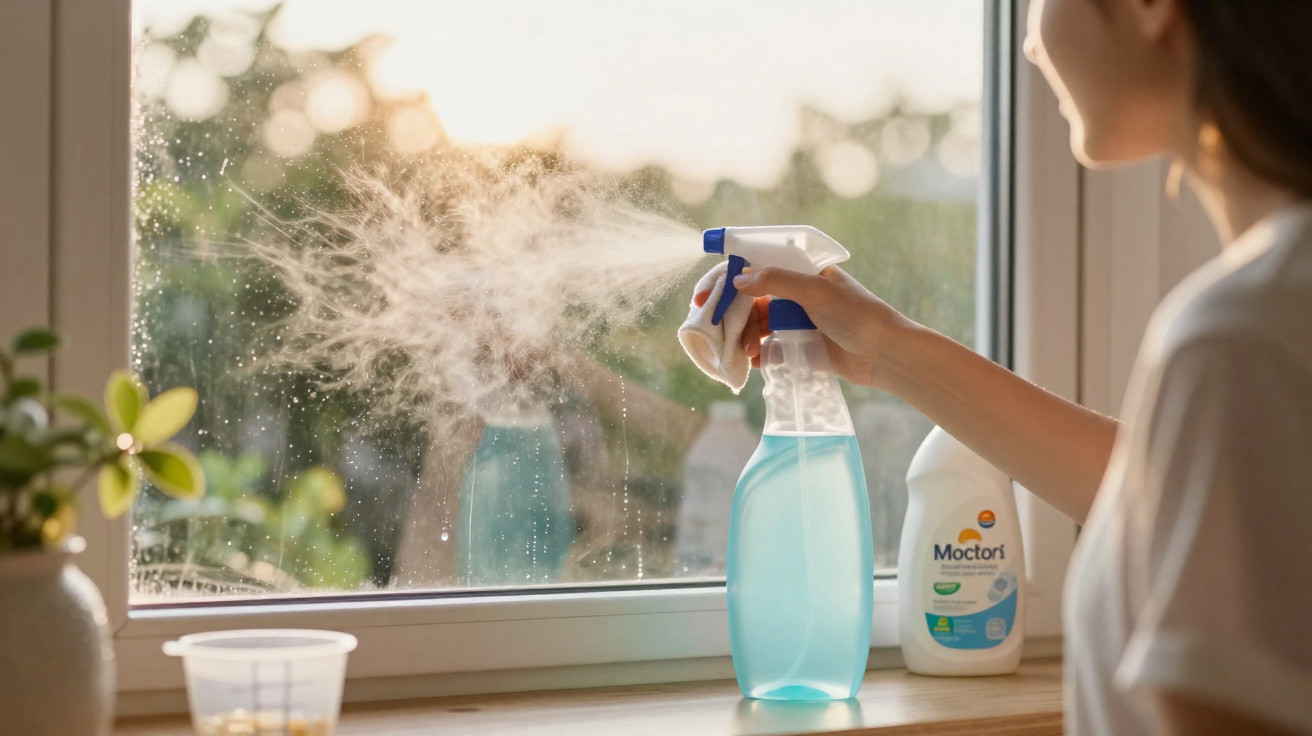
In recent years, a straightforward tip has become popular: using fabric conditioner diluted in water as the final stage of window cleaning. Rather than replacing the usual method, it’s used as a finishing step-after you’ve washed the glass with water and mild washing-up liquid or a standard glass cleaner.
Because fabric conditioner is designed to leave clothes feeling soft and smelling fresh, it can also leave an ultra-thin, invisible film on glass. That layer changes how water and dust behave on the surface, helping the shine last up to twice as long compared with rinsing using only water.
How to mix and apply fabric conditioner on windows
Making the solution is quick and budget-friendly: you use far more water than product to avoid visible residue. Typically, just a few drops of fabric conditioner in a small bucket of warm water is enough, creating a gentle mix without excessive foam.
A short step-by-step makes the full routine clearer, with this trick used right at the end:
- Clean the glass as normal: remove heavier grime with water, mild washing-up liquid, or a glass cleaner.
- Rinse: thoroughly remove leftover suds and any residue from the first product.
- Make the final solution: add a few drops of fabric conditioner to a bucket of warm water and stir.
- Apply to the glass: wipe the solution over the window using a soft cloth, a window squeegee, or a clean lint-free cloth.
- Dry and buff: finish with a dry cloth, microfibre, or a suitable squeegee to remove moisture.
Done this way, the window won’t feel greasy or sticky. The glass stays smooth, and the layer left by the fabric conditioner helps repel water droplets and reduces how easily dust clings-so that just-cleaned look lasts longer.
Why does the film left on the glass work so well?
The effect comes down to how the glass surface behaves after it’s been treated. Compounds in the fabric conditioner create a very thin coating that changes water run-off: instead of spreading out and drying into patches, water tends to bead into droplets that run down more quickly, leaving fewer marks.
This film also makes it harder for airborne grime-such as dust and pollen-to stick to the window. Some people also try variations using liquid glycerine, adding a few drops to the cleaning water for a similar result, as long as it’s used sparingly so the glass doesn’t turn dull.
What precautions matter when using fabric conditioner on windows?
A few practical precautions can improve results and prevent the opposite of what you want. Most importantly, avoid cleaning windows in direct sunlight, because fast drying encourages streaks-even when using the special mix. Times with indirect sun, like early morning or late afternoon, are usually a better choice.
It’s also worth keeping these points in mind to make the routine more effective and safer:
- Use only a few drops of fabric conditioner to avoid dullness or visible marks.
- Choose clean cloths-ideally microfibre-without lint or built-up grease.
- Try the method first on a smaller pane or a less noticeable window.
- Avoid combining lots of different products in the same water, as that can create residue.
By following these simple guidelines, fabric conditioner as the final step becomes a genuinely handy everyday tip: it helps windows stay presentable for longer, reduces how often you need heavy-duty cleaning, and makes ongoing home maintenance more manageable over the weeks.






Comments
No comments yet. Be the first to comment!
Leave a Comment