
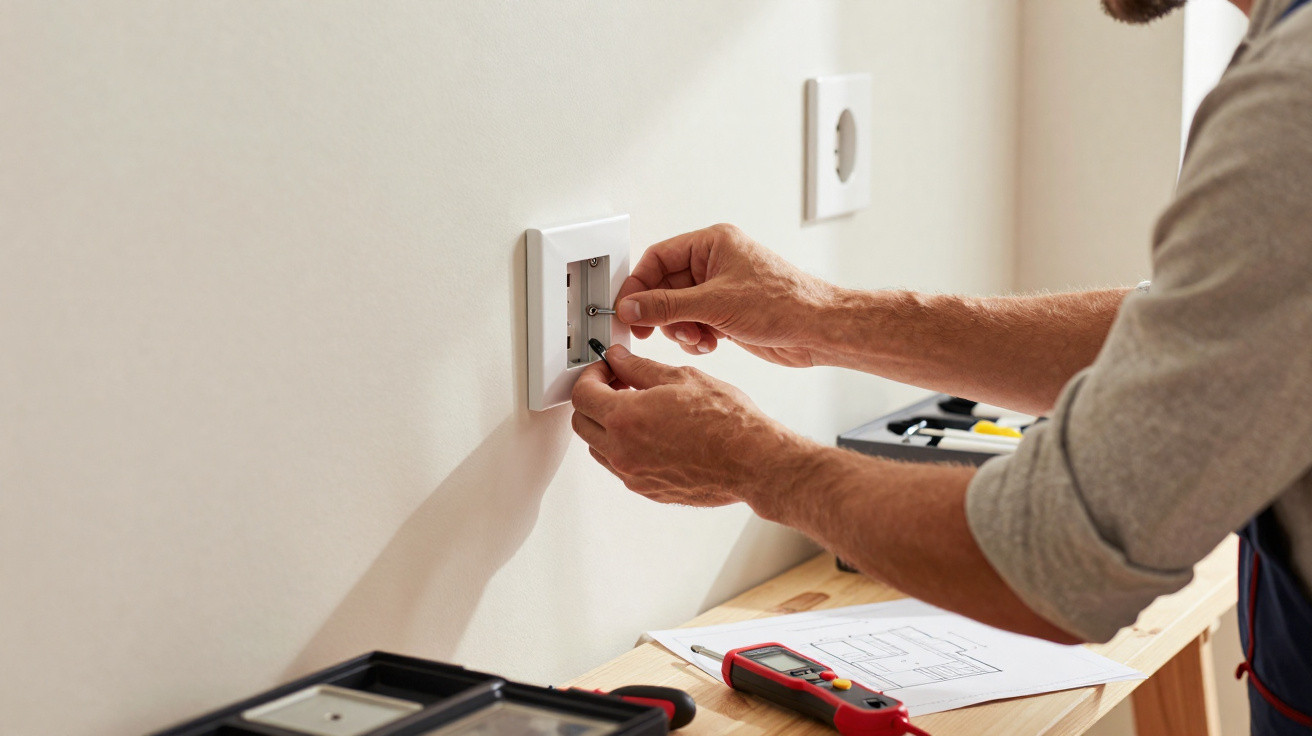
A noticeable shift is taking place with electrical sockets, and it is having a real impact on how we fit out our homes.
If you are used to DIY jobs at home, you may already have had to wrestle with fitting extension blocks and multiway adapters. It is often a messy, noisy business: drilling can take time, and it comes with dust and disruption. Surface-mounted sockets, however, are increasingly changing the picture indoors, offering a modern alternative to traditional solutions.
What are the advantages of surface-mounted sockets?
In simple terms, these units are fitted directly onto the surface of a wall, beam or ceiling.
Installation on the surface: quicker and less disruptive
Their big advantage is ease of installation compared with fully recessed work. In practice, you fix the box in place-typically by screwing or bonding it-then conceal the cable inside trunking (a protective conduit) that runs along the surface. Once that is done, the job is essentially complete.
Improved safety and useful built-in features
A key strength is the extra safety they can bring. Instead of relying on awkward plug-in arrangements and unsuitable extension leads-which can be risky-you can install a proper outlet exactly where it is needed.
Many surface-mounted sockets also include child safety shutters, switches and, in some cases, surge protection. Another benefit is that certain models add USB ports, allowing you to plug a device in directly. As EDF notes on its website: “Surface-mounted sockets comply with the NF C 15-100 standard’s electrical safety requirements.”
When to call in a professional electrician
Unless you are a confident and experienced DIYer, it is generally better to use a professional. They can ensure the work is carried out safely, that the installation remains safe afterwards, and that the finished result matches what you want.
Flush-mounted sockets remain the standard
EDF also points out the strengths of flush-mounted sockets. Because they are hidden within the wall, they tend to look neater than surface-mounted options. The trade-off is that the work is typically longer and more complicated.
What you usually see in a new-build home
Finally, in a new property you will generally find only flush-mounted sockets. These are normally housed in a single back box where all the wiring connections are made. You can distinguish between the socket mechanism and the faceplate that sits against the back box-this faceplate is the only visible part of the whole installation.






Comments
No comments yet. Be the first to comment!
Leave a Comment